Prediabetes Diet: What to Eat, What to Avoid, and Why Order Matters
There is no prediabetes food list that works on its own. What moves numbers is the shape of the plate, the order you eat it in, and what you walk off afterwards.
Written from lived experience, not clinical training, and checked against the clinical guidance listed below. Not yet reviewed by a named clinician.
Search "prediabetes diet" and you get food lists. Eat these, avoid those. The lists are not wrong exactly, but they miss what actually moves numbers, which is less about which foods appear on your plate and more about how much, what with, and in what order.
This guide is built around that, with the food lists where they genuinely help.
The plate
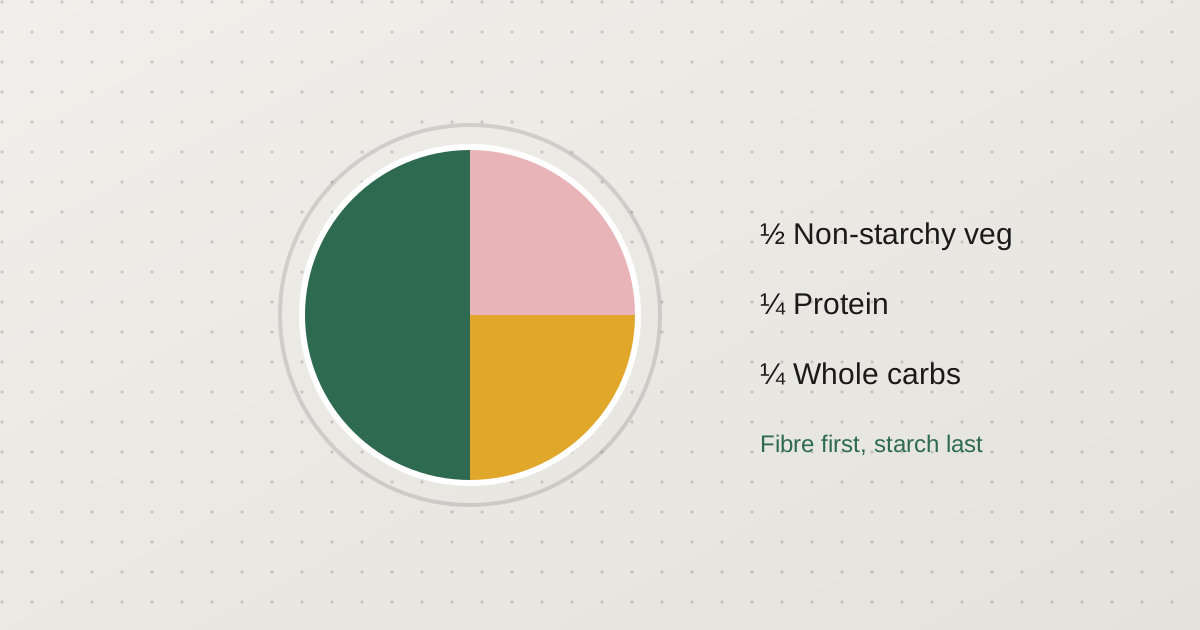
The most useful single image is a divided plate:
- Half — non-starchy vegetables. Leafy greens, broccoli, cauliflower, peppers, courgette, green beans, salad. Volume without much glucose.
- A quarter — protein. Fish, chicken, eggs, tofu, legumes, Greek yoghurt.
- A quarter — whole carbohydrate. Whole grains, sweet potato, legumes again, fruit.
Plus fat for flavour and satiety: olive oil, nuts, seeds, avocado.
This is not a diet so much as a proportion. It works with most cuisines, does not require counting anything, and gets you most of the benefit of more elaborate approaches.
The three habits that matter more than the list
1. Sequence the meal
Eat the vegetables and protein before the carbohydrate portion. Eating identical food in that order produces a markedly lower post-meal glucose peak than the reverse.
It is free, it requires no willpower, and it works from the very first meal you try it. If you change one thing, change this.
2. Never eat carbohydrate on its own
Carbohydrate alone spikes. The same carbohydrate with protein, fat or fibre alongside it spikes considerably less. Practically:
- Fruit with nuts or yoghurt rather than by itself
- Bread with olive oil, eggs or cheese
- Rice with a decent protein portion and vegetables, not as the bulk of the plate
3. Walk afterwards
Ten to twenty minutes at a conversational pace, starting within half an hour of finishing. Contracting muscle takes up glucose without needing insulin, which is why it works even when insulin resistance is high. Post-meal walking blunts the peak far more than the same walk taken at another time of day.
What to eat
Non-starchy vegetables, in quantity. The one category with essentially no ceiling.
Legumes — lentils, chickpeas, black beans, kidney beans. Among the most reliably glucose-friendly staples available, and one of the easiest additions to food you already eat.
Whole, intact grains. The word doing the work is intact. Steel-cut oats, barley, farro and brown rice behave very differently from flour ground from the same grain.
Protein at every meal. It blunts the glucose response, and it does more for satiety than anything else.
Fish, particularly oily fish, twice a week.
Nuts and seeds. Consistently associated with better metabolic markers, and useful for making fruit or bread behave better.
Olive oil, as the default fat.
Fruit, whole. Whole fruit is fine and the fibre matters. Berries are the gentlest; a whole apple behaves nothing like apple juice.
What to displace
Note the word: displace, not ban. Framing food as forbidden reliably produces a cycle of restriction and rebound that leaves people worse off than an approach they can sustain.
Sugar-sweetened drinks and fruit juice. The single highest-yield change most people can make. Liquid sugar hits fastest because there is no fibre or structure to slow it, and 100% juice with no added sugar behaves the same way. Replacing these alone is often worth more than every other change combined.
Refined-flour products. White bread, most pastries, crackers.
Sweetened breakfast cereals. Frequently the worst start to a day available, and often marketed as healthy.
Large portions of starch eaten alone. A bowl of white rice or pasta with nothing alongside it.
Ultra-processed snack food. Predictable, and usually the easiest to swap.
The ones that surprise people
- Smoothies — better than juice because the fibre survives, but blending still speeds absorption compared with eating the fruit
- Low-fat flavoured yoghurt — often carries substantial added sugar
- Dried fruit — concentrated sugar in a small volume, very easy to overeat
- Rice cakes — fast-digesting despite the low-calorie reputation
- "Sugar-free" baked goods — still refined flour, which becomes glucose anyway
- Breakfast in general — morning insulin sensitivity is often the lowest of the day, so the same food does more damage at 8am than at 8pm
Which eating pattern?
Low-carbohydrate, Mediterranean and plant-forward patterns all have evidence supporting them in prediabetes. Head-to-head, none has established a decisive advantage, and adherence tends to predict outcomes better than the choice of pattern.
The practical reading: pick the one you can actually live with. A Mediterranean pattern you follow for years beats a strict low-carbohydrate one you abandon in March.
Two things all the successful patterns share: less refined carbohydrate and less liquid sugar, and more fibre. If a pattern does not do those two things, be sceptical of it.
Fibre, specifically
Fibre is the component with the most consistent evidence behind it, and most people eat roughly half of what is recommended.
Soluble fibre — oats, barley, beans, lentils, apples, psyllium — forms a gel that slows gastric emptying and flattens the glucose curve. Insoluble fibre from vegetables, nuts and whole grains does less to the curve directly but matters for satiety and the gut microbiome, which is itself linked to glucose handling.
Aim for 25 to 35 grams a day, and increase gradually with plenty of water — jumping there in a week is uncomfortable. The easiest routes are legumes at one meal a day, keeping the skins on vegetables and fruit, and swapping one refined grain for an intact one.
Timing, and what it is worth
Eating consistently helps more than most specific interventions. Erratic meal timing produces erratic numbers, and it makes it impossible to tell which change is doing what.
Front-loading the day has some supporting evidence — a larger breakfast and lighter evening meal tends to produce better 24-hour glucose than the reverse, because insulin sensitivity declines through the day. This is a modest effect and not worth forcing if it clashes with your life.
Late, large meals are the pattern most worth changing. A heavy dinner close to bedtime raises overnight glucose and often the fasting reading the next morning, which people then misattribute to breakfast.
Intermittent fasting has mixed evidence in prediabetes. It works for some people mostly by reducing total intake. It is not required, and it is a poor idea if you take glucose-lowering medication without discussing it first.
Alcohol
Worth its own note because the advice is not obvious.
Alcohol itself contains little sugar, but beer, cocktails and sweet wines carry substantial carbohydrate. More importantly, alcohol suppresses the liver's glucose output for hours, which can produce a delayed low — a particular concern if you take insulin or a sulfonylurea, and a reason not to drink on an empty stomach.
Moderate intake with food is the usual guidance. Nightly drinking also fragments sleep, which reduces next-day insulin sensitivity on its own.
The number worth knowing
Diet in prediabetes is usually in service of a specific target: 5 to 7% of body weight.
In the Diabetes Prevention Program, that degree of weight loss combined with 150 minutes of weekly activity reduced progression to type 2 diabetes by 58% — outperforming metformin in the same trial, with benefits persisting for years.
For someone at 200 lb, 5 to 7% is 10 to 14 lb. That is a target, not a transformation, and it is worth holding onto when advice starts sounding like it requires rebuilding your life.
A realistic first week
Rather than changing everything:
- Swap every sweetened drink for water. Biggest single lever.
- Add a vegetable and a protein to one meal a day, and eat them first.
- Walk ten minutes after your largest meal.
- Move breakfast toward protein — eggs or yoghurt instead of cereal or toast.
That is four changes, none dramatic. If you want to know whether they are working, our guide to normal blood sugar levels covers what to measure and when, and prediabetes symptoms explains why you should not judge progress by how you feel.
Re-test your A1c annually at minimum, and look at the direction as well as the number.
Frequently asked questions
What foods should I avoid with prediabetes?
The sharpest spikes come from sugar-sweetened drinks and fruit juice, then refined-flour products, sweetened breakfast cereals and large portions of starch eaten alone. Very little needs banning outright — what matters more is portion size, what you pair carbohydrate with, and the order you eat it in.
Can diet alone reverse prediabetes?
Often, in combination with activity. In the Diabetes Prevention Program, 5 to 7% weight loss plus 150 minutes of weekly activity cut progression to type 2 diabetes by 58%. Diet is the larger lever for the weight loss, but the activity contributes independently.
What is the best breakfast for prediabetes?
One built on protein and fat rather than refined carbohydrate. Eggs with vegetables, plain Greek yoghurt with nuts and berries, or whole oats with nuts and seeds. Breakfast cereal, pastries and juice produce the steepest morning rise, and morning insulin sensitivity is often the lowest of the day.
Does eating in a particular order really matter?
Yes, and it is one of the most reliable findings in this area. Eating vegetables and protein before the carbohydrate portion of a meal produces a markedly lower post-meal peak than eating the same food in reverse order. It costs nothing and works from the first meal you try it.
How much carbohydrate should I eat with prediabetes?
There is no single number that suits everyone, and low-carbohydrate, Mediterranean and plant-forward patterns all have supporting evidence. What matters more than the total is the type, the portion, and what it is eaten with. Consistency across meals also helps more than any specific target.
Common questions on this topic
Each of these is answered on its own page, in the first two sentences.
Sources
Diagnostic thresholds, target ranges and treatment guidance in this article are drawn from the following:
- Diabetes Prevention Program (DPP) — National Institute of Diabetes and Digestive and Kidney Diseases
- Standards of Care in Diabetes — American Diabetes Association
- About Prediabetes — Centers for Disease Control and Prevention
- National Diabetes Statistics Report — Centers for Disease Control and Prevention
Keep reading
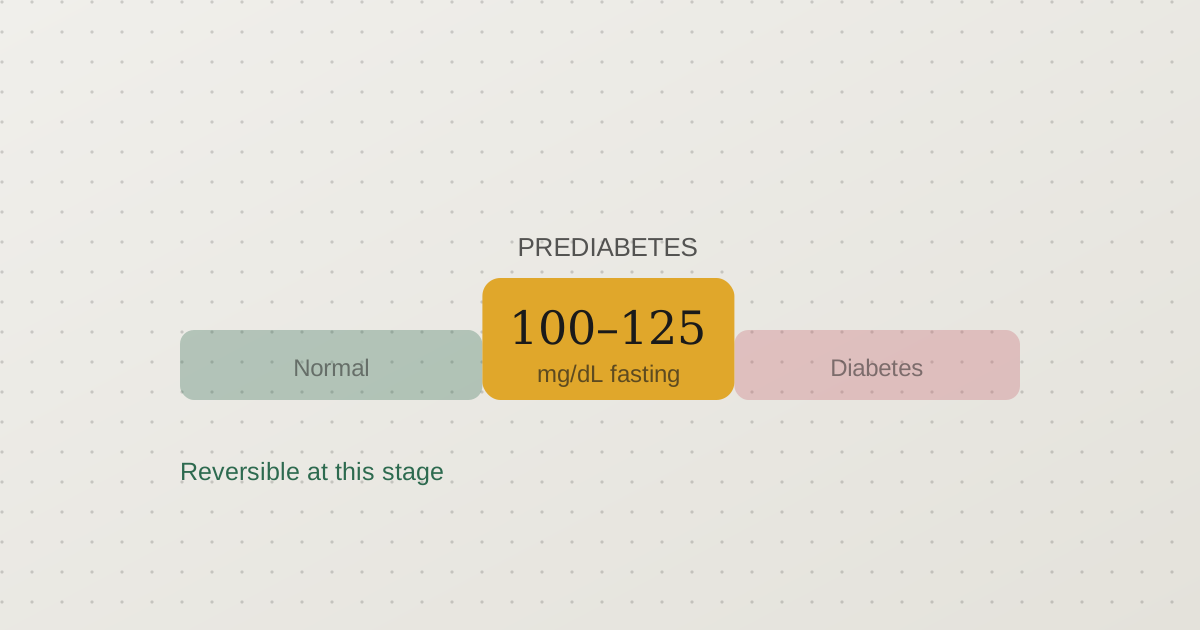
Prediabetes Symptoms: The Signs Most People Never Notice
The honest headline is that prediabetes usually causes nothing. Roughly 1 in 3 US adults has it and around 8 in 10 of them do not know. Here is what does show up, and who should be tested regardless.
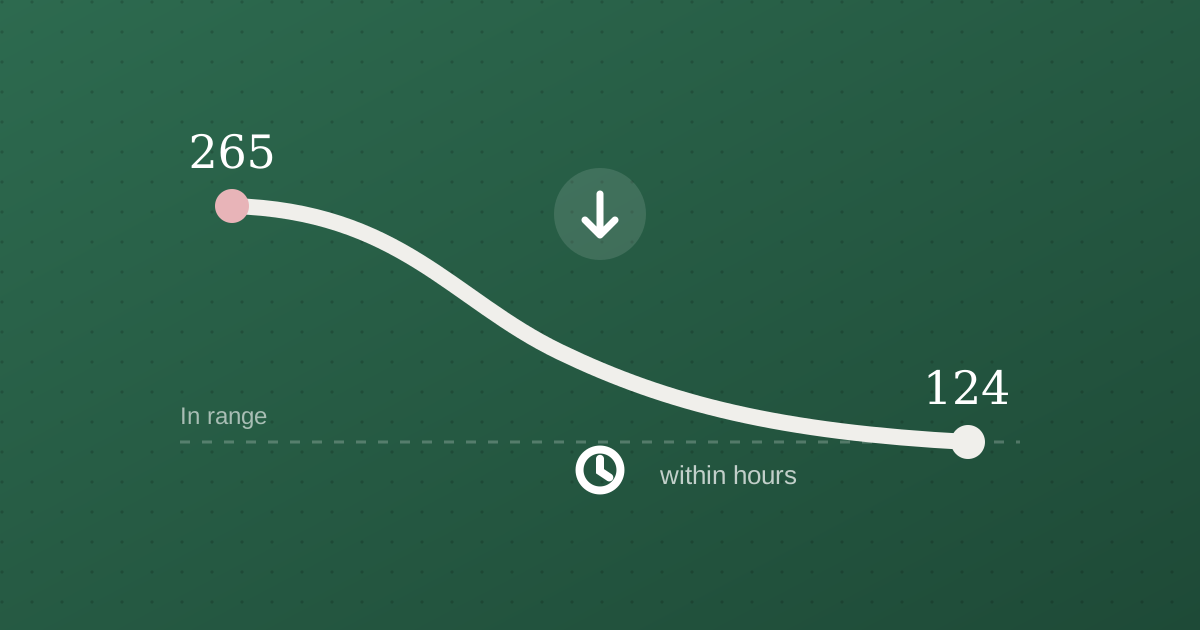
How to Lower Blood Sugar Quickly: 8 Evidence-Based Methods
Some things move glucose within the hour. Others take months but change the baseline. Here's what the evidence supports for each, and the point where self-management stops and medical help starts.
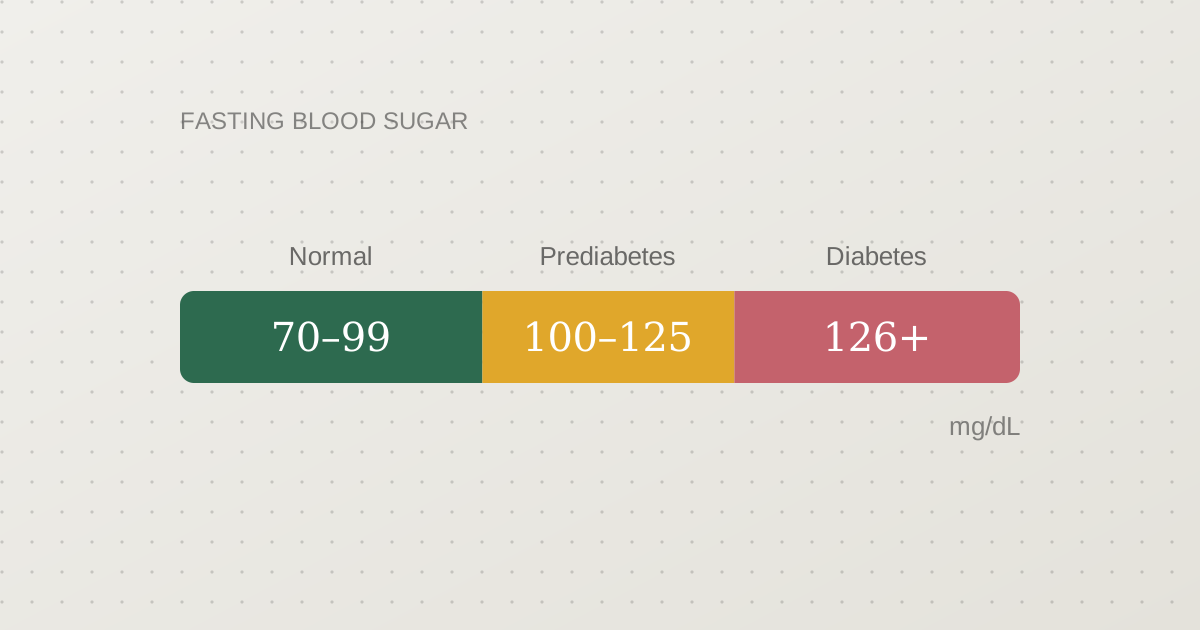
Normal Blood Sugar Levels Chart: Fasting, After Eating & A1c
One number rarely means much on its own. Here is what normal looks like fasting, two hours after eating and on an A1c test — and where the thresholds for prediabetes and diabetes actually sit.