Stress and Blood Sugar: How Cortisol Raises Glucose Without Food
Cortisol and adrenaline raise glucose by design, telling the liver to release its stores. Your body cannot tell a deadline from a predator, which is why readings climb on days you have not eaten anything unusual.
Written from lived experience, not clinical training, and checked against the clinical guidance listed below. Not yet reviewed by a named clinician.
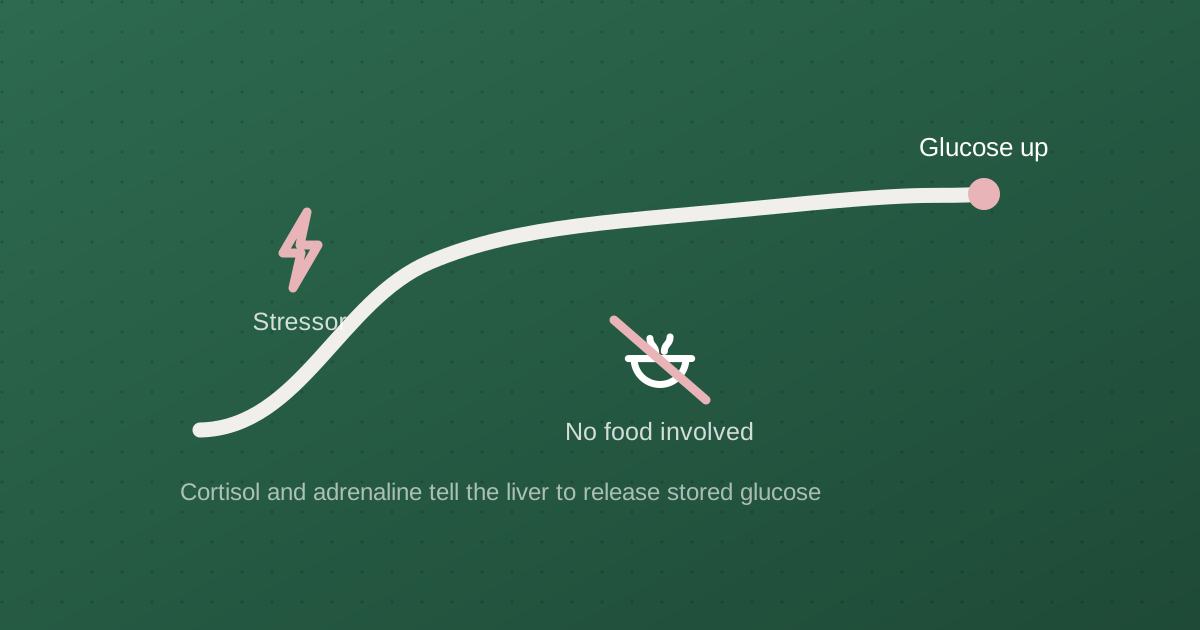
Stress raises blood sugar. Not indirectly through stress-eating, not as a vague wellness claim — directly, through a hormonal pathway that exists precisely to do this. On a continuous glucose monitor you can often see it happen within minutes of a difficult phone call.
This guide covers the mechanism, why your body cannot tell the difference between a deadline and a predator, and what actually helps.
The mechanism
The stress response exists to fuel action. When your brain registers a threat, the adrenal glands release adrenaline within seconds and cortisol over minutes to hours. Both act on glucose, in complementary ways:
Adrenaline triggers rapid breakdown of stored glycogen in the liver, dumping glucose into the bloodstream fast. It also suppresses insulin release directly.
Cortisol works more slowly and more persistently. It increases gluconeogenesis — the liver manufacturing new glucose from amino acids — and makes muscle and fat cells less responsive to insulin, keeping glucose available in circulation rather than being stored away.
That is a sensible arrangement if you are about to sprint. The glucose fuels muscles that are about to work hard. When the stressor is an email, the glucose is released and then has nowhere to go.
Why it happens without eating
This is one of the most common searches on the topic, and the answer follows directly from the mechanism above.
Glucose enters your bloodstream from two sources, not one: food, and glucose your liver releases from storage or manufactures from scratch. Stress hormones act entirely on the second one.
So yes — stress raises blood sugar with no food involved at all. It is why a fasting reading can be high after a bad night, why glucose climbs during a hospital stay when someone is eating nothing, and why people who have not deviated from their diet see numbers they cannot explain.
Our answer on why blood sugar is high when you have not eaten works through the other causes that produce the same pattern.
Your body does not categorise stress
This is the part people find genuinely surprising. The same hormonal response is triggered by:
- Emotional stress — conflict, deadlines, bereavement, financial worry, caring responsibilities
- Physical stress — surgery, a fracture, a burn, dental work
- Illness and infection — a routine urinary tract infection can push a well-controlled person into the 300s
- Pain, from any source
- Poor sleep, even a single short night
- Intense exercise, which raises glucose short-term before lowering it later
- Hypoglycemia itself, which triggers a counter-regulatory surge that can overshoot
Someone eating identically across two weeks can see markedly different numbers if one of those weeks contained any of the above.
Acute versus chronic
Acute stress produces a spike visible within minutes and usually resolving within hours. Unpleasant, rarely dangerous on its own, and largely self-limiting.
Chronic stress is the one that changes outcomes. Persistently elevated cortisol is associated with measurably worse glucose control, more fat deposition around the abdomen, disrupted sleep and reduced insulin sensitivity — and each of those makes the others worse.
There is also a loop worth naming explicitly. Unstable glucose makes concentration and emotional regulation harder, which makes stress feel worse, which raises glucose further. It is a genuine feedback cycle rather than a metaphor, and it is one reason glucose control and mental health are best addressed together rather than in sequence.
Stress hyperglycemia in hospital
Worth its own section, because it is common and the follow-up is routinely missed.
Stress hyperglycemia is high blood glucose occurring during acute illness, surgery or critical care in someone without a diabetes diagnosis. It is driven by the same cortisol and adrenaline response, amplified by inflammatory cytokines, and it usually resolves as the person recovers.
The part that gets skipped: people who develop it are at markedly higher risk of developing diabetes later. The illness did not create a new problem so much as reveal a limited reserve.
If your glucose ran high during a hospital stay, after surgery, or on a course of steroids, ask for a fasting glucose or A1c a few weeks after you have recovered. That single test is the whole intervention, and it is frequently never arranged.
When stress is the medical cause
Occasionally the cortisol excess is not from life but from a medical condition, and it is worth knowing the pattern.
Cushing's syndrome — chronic cortisol excess, whether from a tumour or from long-term steroid treatment. The combination that should prompt investigation: high glucose alongside weight gain concentrated around the middle and face, a rounded face, easy bruising, purple stretch marks, thin skin, and muscle weakness particularly in the thighs and upper arms.
That cluster is distinctive. If it describes you, it is worth raising specifically rather than assuming the glucose is lifestyle-related.
Prescribed corticosteroids are far more common than Cushing's syndrome and raise glucose substantially. Even a single injected steroid for a joint or the spine can affect readings for days to weeks. Do not stop a prescribed steroid because of your glucose — that can be dangerous — but do ask what to expect and whether your other medication should change while you are on it.
What actually helps
The interventions with trial evidence behind them, roughly in order of how well supported they are:
Regular aerobic exercise. Works on both sides of the problem independently — it reduces stress reactivity and lowers glucose through insulin-independent muscle uptake. If you do one thing, do this.
Mindfulness-based stress reduction. The most studied psychological intervention in this area, with trial support for improved glucose control as well as reduced distress.
Paced breathing. Slow, exhale-weighted breathing shifts autonomic balance within minutes. It is free, it works anywhere, and it is the only item here you can deploy during the stressful event itself.
Protecting sleep. A single night restricted to four or five hours measurably reduces next-day insulin sensitivity. Untreated sleep apnea is worth investigating if you snore heavily and wake unrefreshed — see can lack of sleep raise blood sugar.
Treating underlying anxiety or depression. Both are more common alongside diabetes and both independently worsen control. Depression roughly doubles in people with diabetes, and the relationship runs in both directions. This is a treatable medical problem, not a character issue.
Social support and reducing the stressor, where that is possible at all. Often it is not, which is why the items above matter.
What does not work: deciding to be less stressed.
What to do with a stress-related high reading
Treat it like any other high reading rather than as a special case.
Check for the emergency signs first — vomiting, deep or rapid breathing, fruity-smelling breath, confusion, or ketones with a reading above 240 mg/dL (13.3 mmol/L). Those need urgent care regardless of the cause.
Otherwise: drink water, take a walk if it is safe to do so, take a prescribed correction dose if you have one, and retest in an hour or two rather than intervening twice. Our guide to lowering blood sugar covers what works on which timescale.
And record the context alongside the number. A reading of 190 mg/dL on the morning of a funeral is not the same data point as 190 mg/dL on an ordinary Tuesday, and a log that captures the difference is far more useful to you and to your clinician than a column of bare figures.
Frequently asked questions
Can stress cause high blood sugar without eating?
Yes. Stress hormones act on the liver, not on food. Adrenaline triggers the release of stored glycogen and cortisol increases the manufacture of new glucose while making cells less insulin-sensitive. All of that happens whether or not you have eaten, which is why fasting readings can be high after a stressful day.
How much can stress raise blood sugar?
It varies widely. Acute emotional stress often produces a rise of 10 to 50 mg/dL visible within minutes on a continuous monitor. Major physical stress — surgery, serious infection, a heart attack — can raise glucose far more, sometimes into the 300s in someone with no diabetes diagnosis.
What is stress hyperglycemia?
High blood glucose during acute illness, surgery or critical care in someone without diabetes. It is driven by cortisol, adrenaline and inflammatory signalling, and usually resolves with recovery. It matters afterwards because it marks a person as being at markedly higher risk of developing diabetes later, so follow-up testing is worth requesting.
Does cortisol raise blood sugar permanently?
Acute cortisol spikes resolve within hours. Chronically elevated cortisol is associated with sustained insulin resistance, abdominal fat deposition and measurably worse glucose control. Where the cortisol excess has a medical cause, such as Cushing syndrome or long-term steroid treatment, glucose stays raised until that is addressed.
Sources
Diagnostic thresholds, target ranges and treatment guidance in this article are drawn from the following:
- Diabetes, Stress and Mental Health — Centers for Disease Control and Prevention
- Standards of Care in Diabetes — American Diabetes Association
- High blood sugar (hyperglycaemia) — NHS
- National Diabetes Statistics Report — Centers for Disease Control and Prevention
Keep reading
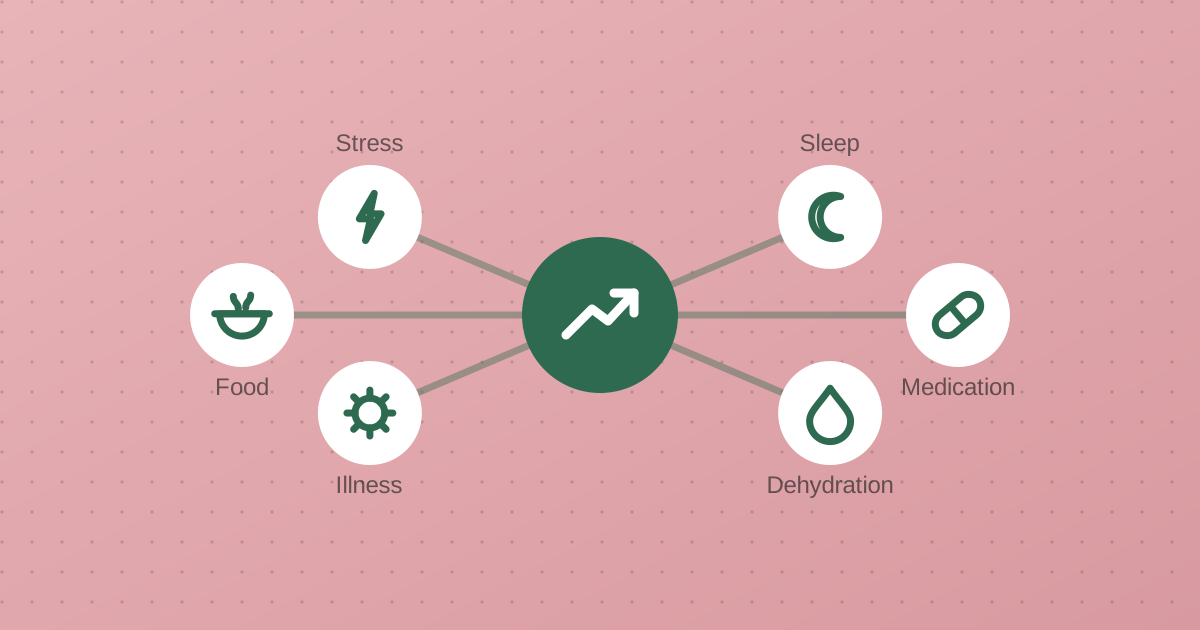
What Causes High Blood Sugar? 10 Common Triggers Explained
Food is the obvious answer and often the wrong one. Stress, a short night, a chest infection, a steroid injection and your own liver at 4am all raise glucose too.
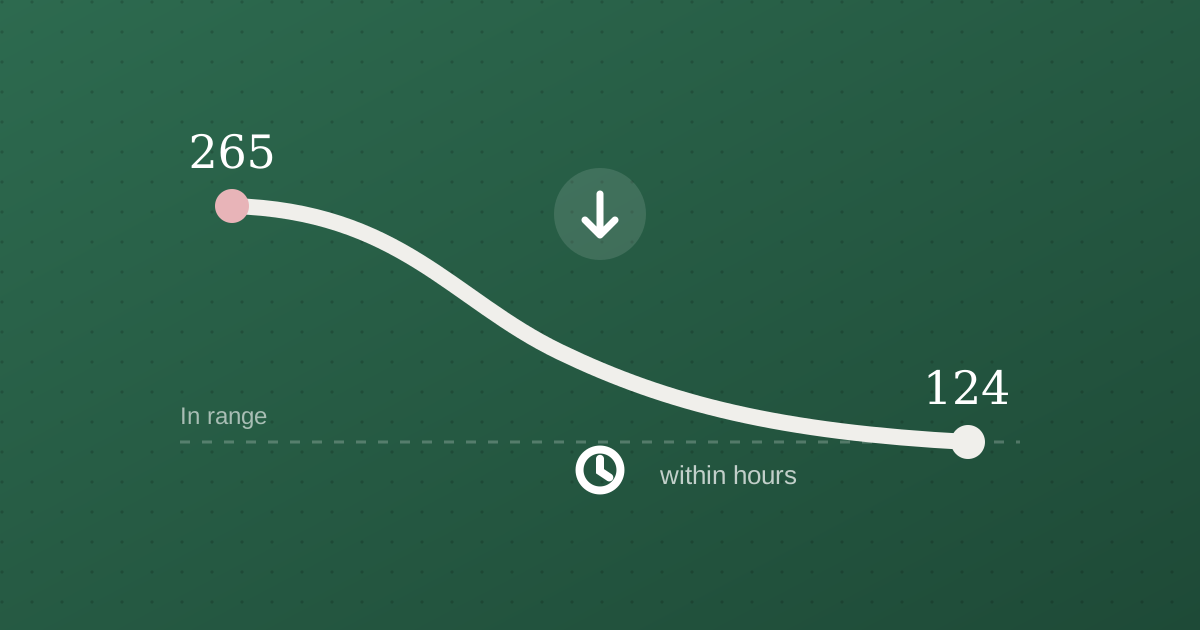
How to Lower Blood Sugar Quickly: 8 Evidence-Based Methods
Some things move glucose within the hour. Others take months but change the baseline. Here's what the evidence supports for each, and the point where self-management stops and medical help starts.
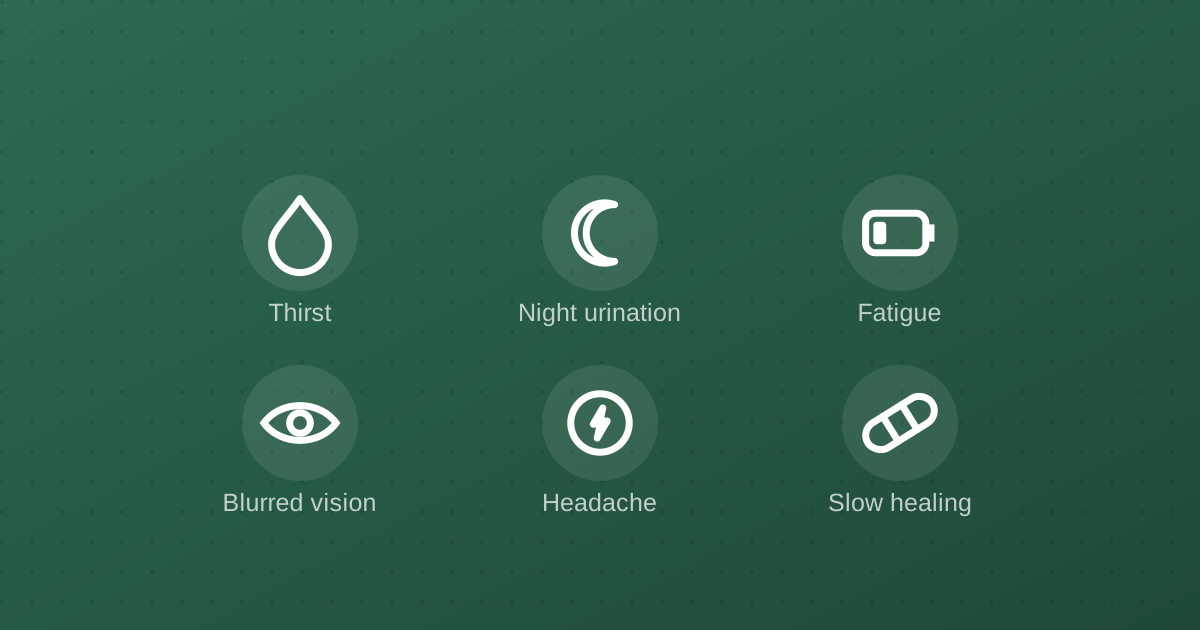
High Blood Sugar Symptoms: 12 Warning Signs You Shouldn't Ignore
Hyperglycemia rarely announces itself. It shows up as thirst you keep topping up, an afternoon that flattens you, and vision that blurs for a week. Here are the 12 signs worth knowing.