High Blood Sugar Symptoms: 12 Warning Signs You Shouldn't Ignore
Hyperglycemia rarely announces itself. It shows up as thirst you keep topping up, an afternoon that flattens you, and vision that blurs for a week. Here are the 12 signs worth knowing.
Written by our editorial team and checked against the clinical guidance listed below. Not yet reviewed by a named clinician.
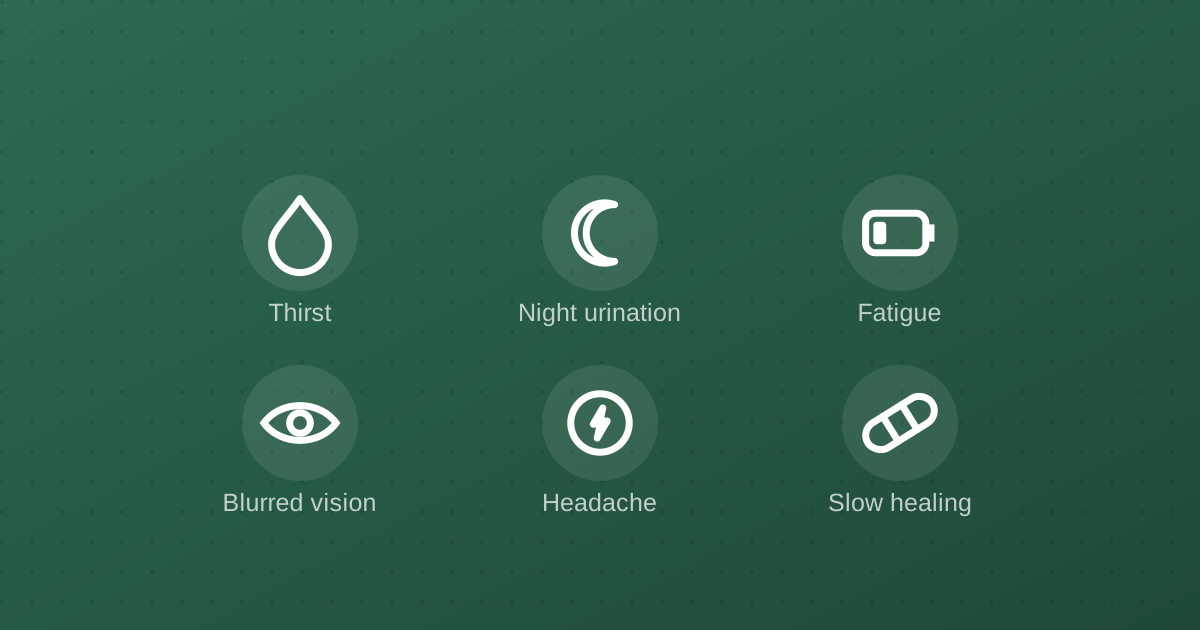
Hyperglycemia — the clinical name for high blood sugar — is unusual among common medical problems in that it rarely announces itself. There is no sudden pain, no obvious lump, no moment where something clearly breaks. Instead there is a water bottle you keep refilling, a 3pm slump you have started scheduling around, and a pair of glasses that suddenly feel like the wrong prescription.
That slow onset is the reason roughly one in five people with diabetes in the United States does not yet know they have it, and why the great majority of the 98 million American adults with prediabetes are unaware of it. This guide walks through the twelve signs most likely to show up, why each one happens, and — just as importantly — which of them mean you should stop reading and call someone today.
Why does high blood sugar cause symptoms?
High blood sugar causes symptoms through three mechanisms: the kidneys begin spilling glucose into urine and pull water out with it, cells go short of fuel despite the surplus in the blood, and glucose changes tissues directly. Almost every sign below traces back to one of those three.
Your kidneys start dumping glucose. Above roughly 180–200 mg/dL (10–11 mmol/L), the kidneys can no longer reabsorb all the glucose passing through them, so the excess spills into urine. Glucose is osmotically active, meaning it drags water with it. That single fact explains frequent urination, thirst, dry mouth and a good share of the fatigue.
Your cells are short of fuel despite the surplus. Glucose needs insulin to get into most cells. When there is not enough insulin, or when cells have stopped responding to it, the sugar stays stuck in the bloodstream. You end up with too much fuel in circulation and too little where the work happens — hence tiredness and hunger in the middle of a glucose surplus.
High glucose changes tissues directly. It pulls fluid in and out of the lens of the eye, feeds yeast and bacteria, impairs the white blood cells that fight infection, and over years damages the small vessels and nerves that supply skin, feet, kidneys and retina.
The 12 most common high blood sugar symptoms
The twelve signs below are the ones most likely to appear, listed roughly in the order people notice them. Thirst, frequent urination and fatigue usually arrive first. Numbness, slow-healing wounds and vision changes indicate that glucose has been elevated for a longer stretch.
1. Thirst you cannot satisfy
Excessive thirst — polydipsia — is the classic first sign. It is not ordinary thirst; it is the sense of drinking a full glass of water and still feeling parched ten minutes later. The mechanism is straightforward: you are losing fluid through glucose-laden urine faster than you are replacing it, and your body is asking for more.
2. Urinating far more often, especially at night
Polyuria travels with thirst as a pair. The tell that most often distinguishes it from an overactive bladder or a large evening coffee is nocturia — waking two, three or four times a night to go. If you used to sleep through and now do not, that change is worth mentioning to a clinician even if nothing else on this list applies.
3. Fatigue that sleep does not fix
High blood sugar fatigue has a particular character: heavy, foggy and worst in the one to three hours after a meal, when glucose peaks. It is a combination of cells being underfuelled, mild dehydration and the inflammatory effect of persistently raised glucose. People often describe pushing through a whole afternoon at half power and assuming it is age, work or a bad night.
4. Blurred vision that comes and goes
When blood glucose rises, fluid shifts into the lens of the eye and changes its shape — and therefore its focal length. Vision blurs over days and sharpens again once glucose comes down, which is why opticians routinely advise waiting several weeks after a diabetes diagnosis before ordering new glasses. Vision that changes over hours, or a curtain, shadow or sudden flurry of floaters, is a different problem entirely and needs same-day assessment.
5. Headaches
Headaches associated with high blood sugar are usually dull, frontal and accompanied by that same foggy feeling. Dehydration is a large part of it. They are non-specific enough on their own to be meaningless, but meaningful when they arrive alongside thirst and frequent urination.
6. Increased hunger, sometimes with weight loss
Polyphagia is hunger driven by cells that are not receiving fuel. The combination people most need to know about is eating more while losing weight without trying. When insulin is insufficient, the body breaks down fat and muscle for energy, and calories are literally leaving in the urine. Unintentional weight loss of more than a few pounds alongside thirst warrants prompt medical attention — this pattern is particularly typical of type 1 diabetes and of adults with late-onset autoimmune diabetes.
7. Cuts, scrapes and sores that heal slowly
Sustained high glucose narrows small blood vessels, slowing the delivery of oxygen and nutrients to a wound, and blunts the immune cells doing the repair. A graze that would once have closed in a few days lingers for two weeks. On the feet, any sore that is not clearly improving within a few days should be seen by a professional, because reduced sensation means a small wound can become a serious one before it hurts.
8. Frequent infections — especially thrush and UTIs
Yeast thrives on sugar, and urine full of glucose is a hospitable environment. Recurrent genital thrush, repeated urinary tract infections, persistent athlete's foot or stubborn gum disease are all common presentations. For some people, a second episode of thrush in a few months is the thing that finally prompts a glucose test.
9. Numbness, tingling or burning in hands and feet
Prolonged high glucose damages peripheral nerves — diabetic neuropathy. It typically begins in the toes and works upward in a symmetrical "stocking and glove" pattern: pins and needles, burning that is worse at night, or a numbness that makes the floor feel oddly distant. Unlike most high blood sugar symptoms, neuropathy signals that levels have been elevated for a long time, and early nerve damage is far more treatable than late.
10. Dry, itchy skin
Fluid loss shows up in the skin as dryness and itching, most often on the lower legs. Two more specific skin signs are worth knowing: acanthosis nigricans, velvety dark patches in the folds of the neck, armpits or groin, which is a strong marker of insulin resistance; and small clusters of skin tags in the same areas.
11. Dizziness or light-headedness on standing
Fluid loss reduces circulating blood volume, so blood pressure can drop when you stand — the room swims for a few seconds. Over a longer horizon, nerve damage affecting the autonomic system can blunt the reflexes that normally protect blood pressure on standing.
12. Difficulty concentrating and irritability
Glucose is the brain's primary fuel, and its transport is sensitive to both extremes. Persistently high levels are linked to slower processing, poorer working memory and a shorter fuse. Many people only recognize the mental fog in hindsight, once their numbers have come down and the fog lifts.
High blood sugar symptoms at night
High blood sugar at night typically presents as broken sleep, repeated bathroom trips, night sweats, restless legs and a dry mouth on waking. Morning readings that run higher than the bedtime reading usually point to the dawn phenomenon — a normal pre-waking release of cortisol and growth hormone that lifts glucose, and which is exaggerated when insulin is scarce.
High blood sugar symptoms without diabetes
You can have high blood sugar without having diabetes, and it is more common than people expect. Steroid medications, acute illness or infection, physical trauma and surgery all raise glucose temporarily. So do some antipsychotics, thiazide diuretics and immunosuppressants. Cushing's syndrome, pancreatitis and pancreatic surgery are less common causes. Stress hyperglycemia during a hospital stay is common and usually resolves — but it identifies people at markedly higher risk of developing diabetes later, so it deserves follow-up testing rather than a shrug.
When is high blood sugar an emergency?
High blood sugar is an emergency when it arrives with ketones, repeated vomiting, deep or rapid breathing, fruity-smelling breath, confusion or drowsiness. Most hyperglycemia is a slow problem; those signs mean it has become a fast one. Seek urgent medical care the same day if you have:
- A reading above 240 mg/dL (13.3 mmol/L) together with moderate or large ketones in your urine or blood
- Nausea, vomiting or abdominal pain that will not settle
- Deep, rapid breathing (Kussmaul breathing) or breath that smells sweet or fruity, like acetone or pear drops
- Confusion, unusual drowsiness or difficulty staying awake
- Two consecutive readings above 300 mg/dL (16.7 mmol/L), or any reading you cannot bring down
- Signs of severe dehydration alongside very high readings — sunken eyes, no urine output, a racing pulse
The first group of signs suggests diabetic ketoacidosis (DKA), in which the body burns fat for fuel and floods the blood with acidic ketones. It is most common in type 1 diabetes but happens in type 2 as well, particularly during illness or when taking SGLT2 inhibitor medications. The last suggests a hyperosmolar hyperglycemic state, seen more often in older adults with type 2 diabetes, where glucose can climb above 600 mg/dL with profound dehydration. Both are life-threatening and both are treatable — the deciding factor is usually how quickly someone gets help.
What to do if these symptoms sound familiar
Get tested rather than guessing. A fasting glucose, an A1c or both will settle the question in a single blood draw. Symptoms are a prompt to test; they are not a diagnosis, and neither is a home meter reading. See our blood sugar levels chart for what the numbers mean.
Write down what you notice and when. Three weeks of "thirsty, up twice a night, wiped out after lunch" is genuinely useful clinical information, and far more persuasive in a ten-minute appointment than trying to reconstruct it from memory.
Start logging readings if you already have a meter. Patterns matter more than single numbers — a fasting value of 140 mg/dL means something quite different depending on whether it happens once or every morning for a fortnight.
Do not wait for symptoms to get worse before acting. By the time hyperglycemia is unmistakable, it has usually been present for a while. The interventions that work best — and the ones most likely to reverse prediabetes entirely — are the ones started early. Our guide to lowering blood sugar covers what actually has evidence behind it.
If your symptoms are mild and stable, book a routine appointment. If they are escalating, or any red flag above applies, treat it as urgent. Hyperglycemia is very manageable, but only once someone knows it is there.
Frequently asked questions
What are the first signs of high blood sugar?
The earliest signs are usually increased thirst, needing to urinate more often (especially at night), and unusual tiredness after meals. These build gradually over weeks, which is exactly why they are so easy to attribute to a busy week or poor sleep.
Can you have high blood sugar and no symptoms at all?
Yes. Many people with prediabetes and early type 2 diabetes feel completely well, which is why roughly 1 in 5 people with diabetes in the US are undiagnosed. Symptoms tend to appear once fasting glucose is persistently above about 180-200 mg/dL, but damage to blood vessels and nerves can begin below that threshold. Screening, not symptoms, is what catches it early.
How quickly do high blood sugar symptoms appear?
It depends on the cause. In type 1 diabetes, symptoms can escalate over days to a few weeks and are often dramatic. In type 2 diabetes, the same symptoms may creep in over months or years. A short-term spike from illness, steroids or a very large meal can cause thirst and fatigue within hours and settle just as quickly.
What blood sugar level causes symptoms?
There is no single number. Many people start noticing thirst and frequent urination somewhere above 180-200 mg/dL (10-11 mmol/L), because that is roughly where the kidneys begin spilling glucose into urine. People who have run high for a long time often feel normal at levels that would floor someone else.
When should I go to the emergency room for high blood sugar?
Seek urgent care if you have a reading above 240 mg/dL with moderate or large ketones, repeated vomiting, deep or rapid breathing, fruity-smelling breath, abdominal pain, confusion or extreme drowsiness. These suggest diabetic ketoacidosis or a hyperosmolar state, both of which are medical emergencies.
Sources
Diagnostic thresholds, target ranges and treatment guidance in this article are drawn from the following:
- Diabetes Symptoms — Centers for Disease Control and Prevention
- Standards of Care in Diabetes — American Diabetes Association
- Diabetic Ketoacidosis (DKA) — Centers for Disease Control and Prevention
- High blood sugar (hyperglycaemia) — NHS
Keep reading
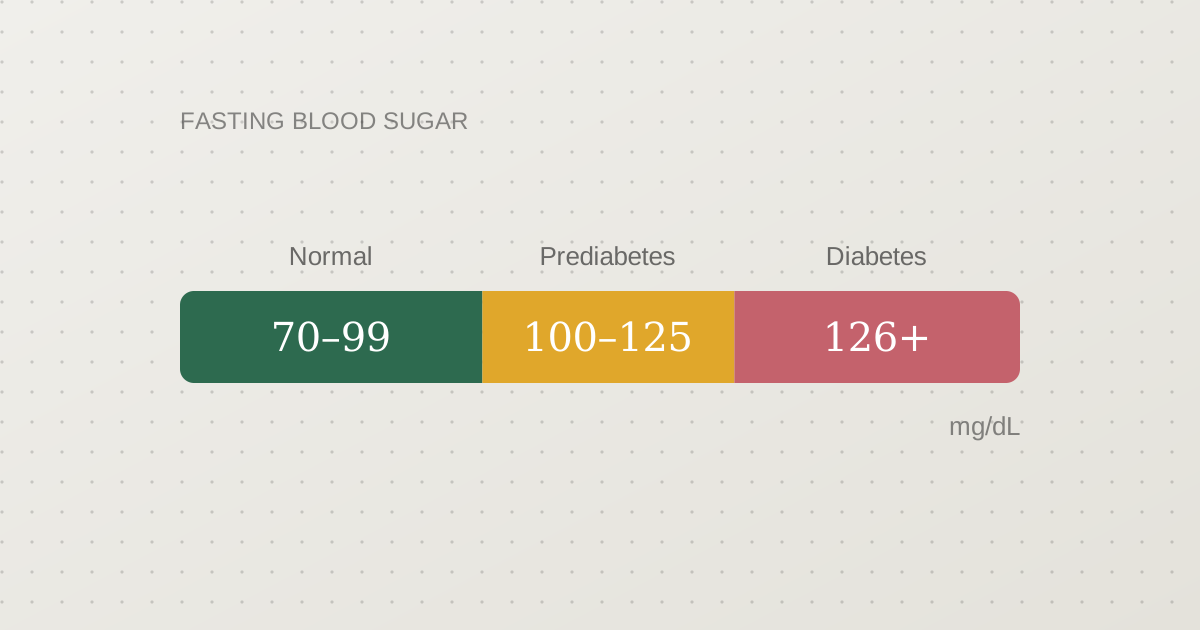
Normal Blood Sugar Levels Chart: Fasting, After Eating & A1c
One number rarely means much on its own. Here is what normal looks like fasting, two hours after eating and on an A1c test — and where the thresholds for prediabetes and diabetes actually sit.
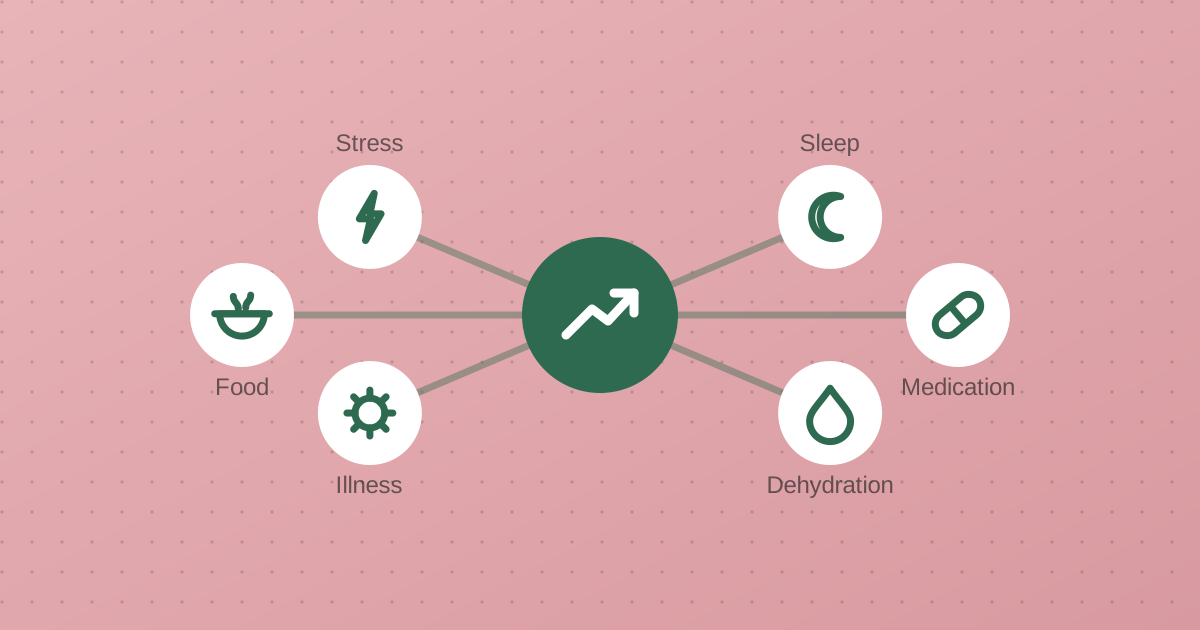
What Causes High Blood Sugar? 10 Common Triggers Explained
Food is the obvious answer and often the wrong one. Stress, a short night, a chest infection, a steroid injection and your own liver at 4am all raise glucose too.
High Blood Sugar Symptoms in Women vs Men: Key Differences
Thirst, fatigue and blurred vision look the same in everyone. What differs is the sex-specific signs around them — and how long each group typically waits before anyone runs a test.