High Blood Sugar Symptoms in Women vs Men: Key Differences
Thirst, fatigue and blurred vision look the same in everyone. What differs is the sex-specific signs around them — and how long each group typically waits before anyone runs a test.
Written by our editorial team and checked against the clinical guidance listed below. Not yet reviewed by a named clinician.
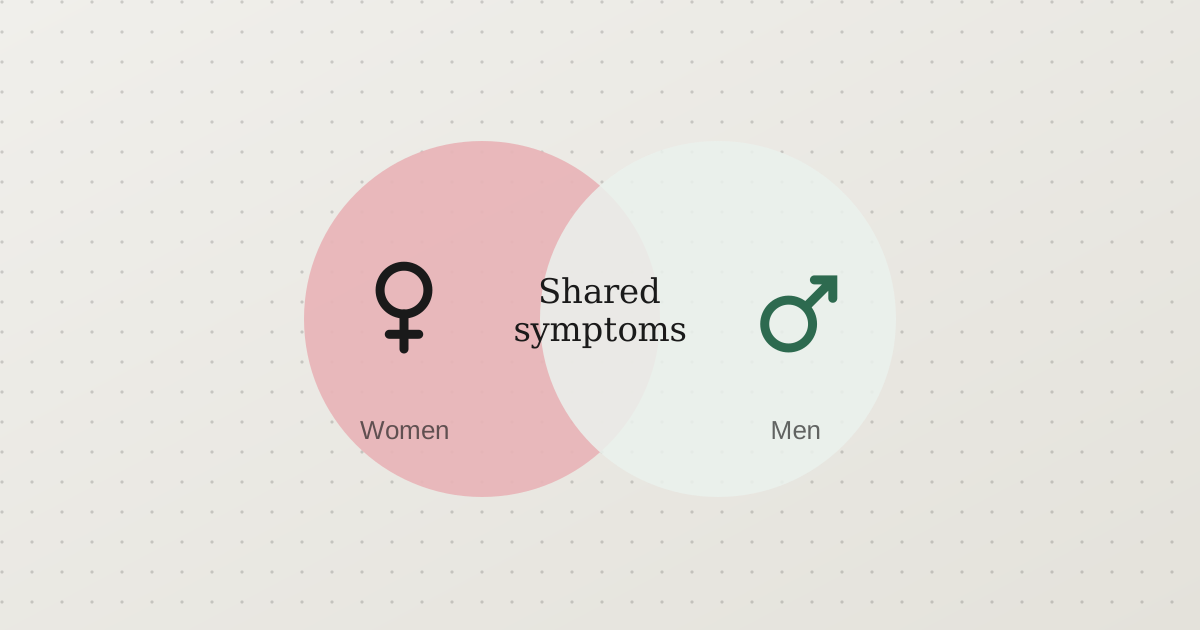
Most of what high blood sugar does, it does to everyone. Thirst, frequent urination, fatigue, blurred vision, slow-healing wounds and recurring infections have no sex preference. But there are real differences at the margins — in which tissues are affected, in how hormones interact with glucose, and, importantly, in how long each group tends to wait before someone runs a test.
Two notes on how to read this. These are population patterns, not rules; plenty of women have textbook "male" presentations and vice versa. And the descriptions below are organized around anatomy and sex hormones, so they apply to trans and non-binary readers according to their own anatomy and any hormone therapy they take — a subject worth raising directly with your clinician, since gender-affirming hormone therapy does shift insulin sensitivity.
The symptoms everyone shares
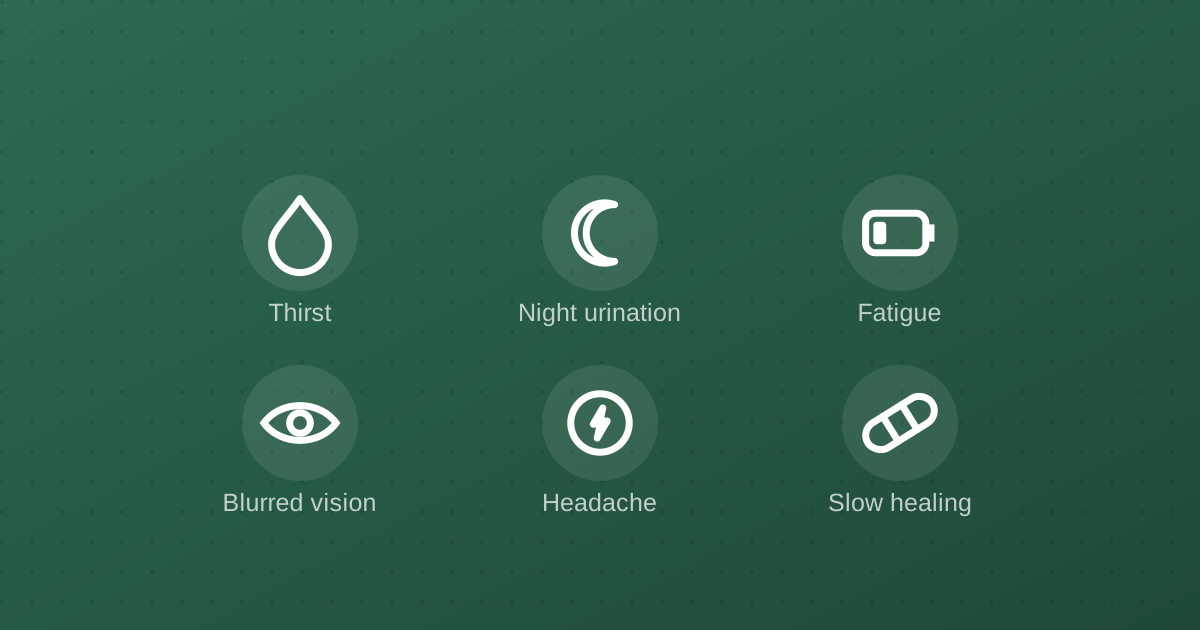
Most high blood sugar symptoms are identical in women and men. Regardless of sex, high blood sugar produces:
- Excessive thirst and dry mouth
- Frequent urination, especially at night
- Fatigue that sleep does not resolve
- Blurred vision that fluctuates over days
- Headaches and difficulty concentrating
- Slow-healing cuts and sores
- Unexplained weight loss, particularly where insulin is scarce
- Numbness or tingling in hands and feet
- Dry, itchy skin
Our full guide to the 12 warning signs covers the mechanism behind each. What follows is what sits on top.
High blood sugar symptoms in women
Alongside the shared symptoms, high blood sugar in women more often presents as recurrent vaginal thrush, repeated urinary tract infections, vaginal dryness or pain during sex, irregular or absent periods, and readings that climb in the week before a period. Women with diabetes also carry a greater relative increase in cardiovascular risk than men.
Recurrent vaginal thrush and urinary tract infections
Recurrent thrush and urinary tract infections are the most common sex-specific presentation of high blood sugar in women. Glucose in urine and vaginal secretions creates an environment yeast and bacteria thrive in, while high glucose simultaneously impairs neutrophil function.
The clinical pattern worth recognizing: more than two or three episodes of thrush in a year, or UTIs that keep returning after treatment, is a reason to check blood glucose — even in the absence of any other symptom. For a meaningful number of women, this is what eventually leads to diagnosis.
Vaginal dryness and pain during sex
Less discussed and quite common. Nerve damage and reduced blood flow to genital tissue lower lubrication and sensation; recurrent thrush adds irritation. Female sexual dysfunction related to diabetes is substantially under-reported, partly because it is rarely asked about.
Menstrual irregularity and cycle-linked swings
Insulin resistance and reproductive hormones are closely coupled. High glucose is associated with irregular, absent or unusually heavy periods, and the relationship runs both ways: readings often climb in the luteal phase as progesterone rises.
If you menstruate and track your glucose, logging your cycle alongside your readings for two or three months is one of the highest-value things you can do. A recurring premenstrual rise stops looking like a mystery and starts looking like something you can anticipate.
Polycystic ovary syndrome
PCOS affects roughly 1 in 10 women of reproductive age and involves insulin resistance in the large majority of cases, independent of body weight. Irregular periods, acne, excess hair growth and difficulty conceiving alongside any glucose symptom should prompt evaluation for both conditions together. Women with PCOS carry a substantially elevated lifetime risk of type 2 diabetes and should be screened regularly.
A history of gestational diabetes
Gestational diabetes usually resolves after delivery, but it is one of the strongest predictors of later type 2 diabetes — a meaningful proportion of affected women develop it within a decade. Guidelines recommend testing 4 to 12 weeks postpartum and then at least every one to three years for life. In practice that follow-up is frequently missed, so it is worth knowing to ask for it.
Heart disease that presents differently
How heart disease presents is the most consequential difference between the sexes here. Diabetes raises cardiovascular risk in everyone, but the relative increase is greater in women than men. Women are also more likely to have heart attack symptoms that do not match the textbook: nausea, jaw or back pain, shortness of breath and profound fatigue rather than crushing chest pain. Combine that with a tendency for women's symptoms to be attributed to anxiety, and the risk of delayed treatment is real. Any woman with diabetes reporting unexplained breathlessness or fatigue deserves a cardiac assessment, not reassurance.
Fatigue that gets attributed elsewhere
Fatigue in women is more often ascribed to something other than blood sugar. This is not a biological difference but a clinical one, and it is worth naming. Fatigue in women is more often ascribed to stress, parenting, perimenopause or thyroid problems before glucose is tested. If you have been tired for months and no one has checked your A1c, that is a reasonable and specific thing to ask for.
High blood sugar symptoms in men
Alongside the shared symptoms, high blood sugar in men more often presents as erectile dysfunction, reduced libido linked to low testosterone, loss of muscle mass despite unchanged eating and training, and balanitis — inflammation of the glans or foreskin, usually fungal and often recurrent.
Erectile dysfunction
Erectile dysfunction is the most common sex-specific sign of high blood sugar in men, and often the earliest. High glucose damages both the small blood vessels that supply erectile tissue and the nerves that trigger the response. Men with diabetes develop erectile dysfunction earlier and more often than men without it.
It is worth being blunt about the implication: erectile dysfunction is frequently the first sign of vascular disease anywhere in the body. The arteries involved are narrow and show damage early. New ED — particularly under 50 — warrants glucose testing, blood pressure and lipids, not just a prescription.
Low testosterone
Type 2 diabetes and low testosterone travel together far more often than chance would predict. The overlap in symptoms is awkward: fatigue, low libido, low mood, reduced muscle mass and increased abdominal fat describe both conditions. The relationship is bidirectional — low testosterone worsens insulin resistance, and insulin resistance suppresses testosterone.
Loss of muscle mass
When insulin is insufficient, the body breaks down muscle protein for fuel. Men more often notice this as strength or bulk lost without any change in training or eating — a specific and frequently overlooked sign.
Balanitis and genital yeast infection
Balanitis is the male counterpart to recurrent thrush: inflammation of the glans or foreskin, often fungal and often recurrent. In uncircumcised men it can be the presenting complaint that leads to a glucose test. Like recurrent thrush in women, repeated episodes should trigger screening.
Retrograde ejaculation
In longstanding diabetes, autonomic nerve damage can affect the bladder neck so that semen passes backward into the bladder. It is harmless in itself but affects fertility and is a marker that autonomic neuropathy is present.
Later presentation
Men in most health systems attend primary care less often, and are diagnosed with type 2 diabetes at a lower average BMI than women — meaning the disease develops with less warning from the scale. The combination means men more often present later, sometimes with a complication as the first sign.
Where the risks diverge
The table below sets the two presentations side by side. These are population patterns rather than rules — plenty of women have textbook "male" presentations and the reverse is equally true.
| Aspect | More characteristic of women | More characteristic of men |
|---|---|---|
| Common early infection | Vaginal thrush, recurrent UTIs | Balanitis, genital yeast |
| Sexual health signs | Dryness, pain, reduced arousal | Erectile dysfunction, low libido |
| Hormonal drivers | Cycle, PCOS, pregnancy, menopause | Low testosterone |
| Body composition change | Weight gain, fat redistribution | Loss of muscle mass |
| Cardiovascular risk | Greater relative increase; atypical symptoms | Higher absolute risk at younger ages |
| Diagnostic delay | Symptoms attributed to hormones or stress | Lower healthcare contact; diagnosed at lower BMI |
What to do with this
Do not wait for the sex-specific sign. Thirst, fatigue and frequent urination are still the most common presentations in everyone, and they are enough on their own to justify a test.
Take recurrent infections seriously. Two or three episodes of thrush, UTI or balanitis in a year is a legitimate reason to ask for an A1c.
Raise sexual health symptoms. They are among the most useful early signals available and among the least likely to be mentioned. Clinicians are unlikely to ask first.
Track your cycle alongside your readings if you menstruate. Patterns that look random on a meter often resolve into something predictable once the cycle is added.
Ask specifically about cardiovascular risk if you are a woman with diabetes, and do not accept fatigue or breathlessness being written off.
None of this changes the underlying condition — high blood sugar is high blood sugar, and the causes and treatments are largely shared. What changes is which door people arrive through, and how quickly. Knowing your own door is a real advantage.
Frequently asked questions
What are the signs of high blood sugar in women?
Women share the core symptoms — thirst, frequent urination, fatigue, blurred vision — and are additionally more likely to experience recurrent vaginal thrush, urinary tract infections, vaginal dryness and pain during sex, menstrual irregularity, and symptoms linked to polycystic ovary syndrome. Fatigue is also more likely to be attributed to something else before glucose is tested.
What are the signs of high blood sugar in men?
Alongside the core symptoms, men more often present with erectile dysfunction, reduced libido linked to low testosterone, loss of muscle mass despite unchanged eating, balanitis (inflammation of the foreskin or glans, often from yeast), and retrograde ejaculation in longstanding disease.
Is diabetes harder to diagnose in women?
Diagnosis is often slower in women, though not because the disease is harder to detect. Women's symptoms — particularly fatigue and recurrent infections — are more likely to be attributed to stress, hormones or life stage before glucose is tested. Women with diabetes also carry a proportionally greater increase in cardiovascular risk than men, and heart attack symptoms in women are more likely to be atypical.
Does the menstrual cycle affect blood sugar?
Yes. Many women see higher readings in the luteal phase — the week or so before a period — as progesterone rises and insulin sensitivity falls. Tracking readings alongside your cycle for two to three months usually makes a personal pattern clear.
Can high blood sugar cause erectile dysfunction?
Yes, through damage to both blood vessels and nerves and through lower testosterone, which is common in men with type 2 diabetes. Erectile dysfunction frequently precedes a diabetes diagnosis and is also an early marker of cardiovascular disease, so it warrants a full assessment rather than a prescription alone.
Sources
Diagnostic thresholds, target ranges and treatment guidance in this article are drawn from the following:
- Diabetes Symptoms — Centers for Disease Control and Prevention
- Gestational Diabetes — American College of Obstetricians and Gynecologists
- Diabetes, Sexual, & Bladder Problems — National Institute of Diabetes and Digestive and Kidney Diseases
- Standards of Care in Diabetes — American Diabetes Association
Keep reading
High Blood Sugar Symptoms: 12 Warning Signs You Shouldn't Ignore
Hyperglycemia rarely announces itself. It shows up as thirst you keep topping up, an afternoon that flattens you, and vision that blurs for a week. Here are the 12 signs worth knowing.
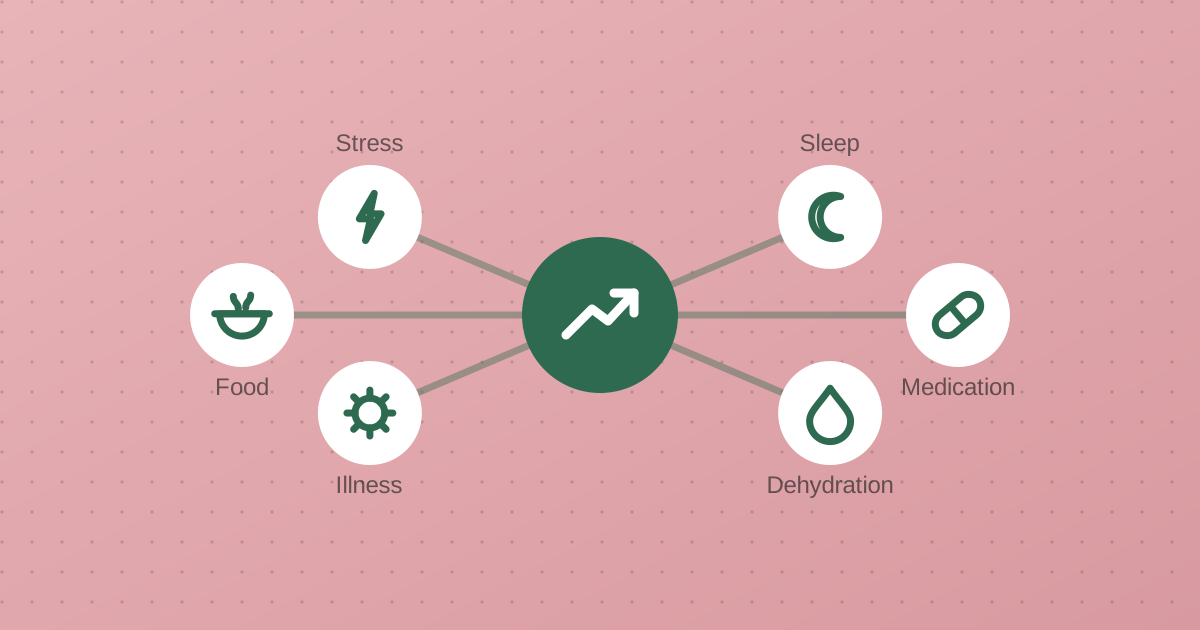
What Causes High Blood Sugar? 10 Common Triggers Explained
Food is the obvious answer and often the wrong one. Stress, a short night, a chest infection, a steroid injection and your own liver at 4am all raise glucose too.
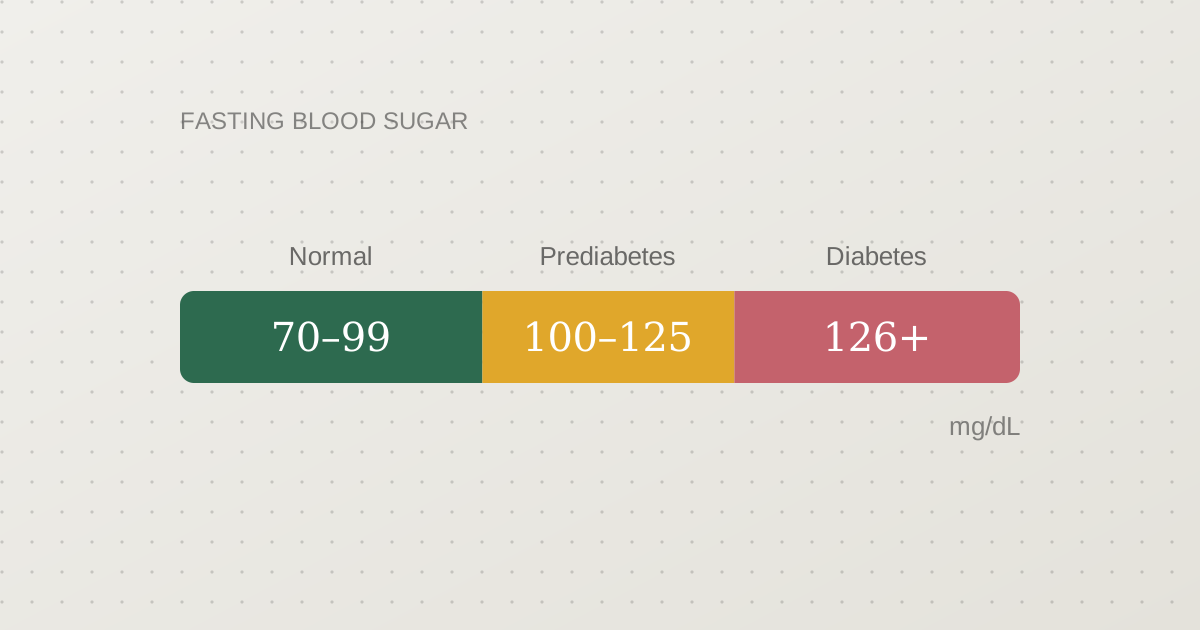
Normal Blood Sugar Levels Chart: Fasting, After Eating & A1c
One number rarely means much on its own. Here is what normal looks like fasting, two hours after eating and on an A1c test — and where the thresholds for prediabetes and diabetes actually sit.