High Blood Sugar Symptoms in Women: Signs That Get Missed
Thirst and fatigue look the same in everyone. What differs for women is the cluster around them — recurrent thrush, urinary infections, cycle-linked swings — and how often those get treated one at a time without anyone checking glucose.
Written from lived experience, not clinical training, and checked against the clinical guidance listed below. Not yet reviewed by a named clinician.
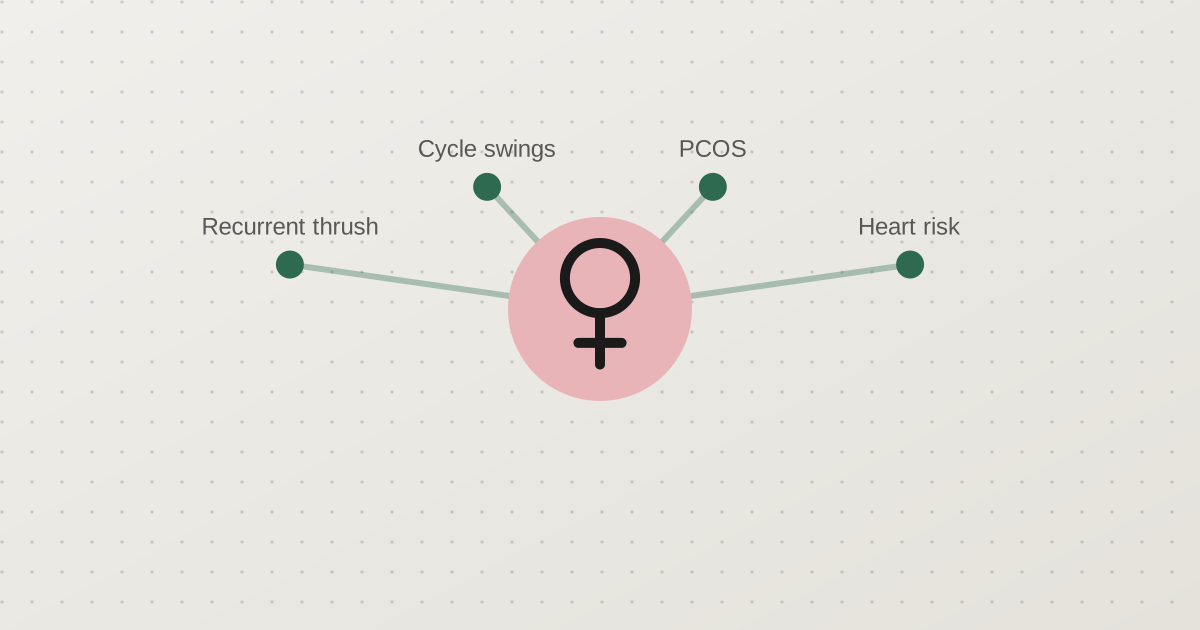
Most of what high blood sugar does, it does to everyone. Thirst, frequent urination, fatigue, blurred vision and slow-healing cuts have no sex preference.
What differs for women is the cluster of signs around those, how hormones interact with glucose across the month and across a life, and — most consequentially — how long the wait tends to be before anyone runs a test.
A note on scope: these are population patterns, not rules, and the descriptions below are organised around anatomy and sex hormones. They apply to trans and non-binary readers according to their own anatomy and any hormone therapy, which is worth raising directly with a clinician since gender-affirming hormone therapy does shift insulin sensitivity.
The shared symptoms first
Regardless of sex, high blood sugar produces thirst, frequent urination (especially at night), fatigue that sleep does not fix, blurred vision that fluctuates over days, headaches, slow-healing cuts, numbness or tingling in the hands and feet, and dry itchy skin.
Our guide to the 12 warning signs covers the mechanism behind each. What follows sits on top of them.
Recurrent thrush and urinary tract infections
This is the most common sex-specific presentation, and for a meaningful number of women it is what eventually leads to diagnosis.
Glucose in urine and vaginal secretions creates an environment yeast and bacteria thrive in. At the same time, high glucose impairs the neutrophils that would normally keep them in check. The result is infections that keep coming back after apparently successful treatment.
The pattern worth recognising: more than two or three episodes of thrush in a year, or UTIs that keep returning, is a reason to check blood glucose — even with no other symptom at all.
The trap is that each episode gets treated as a standalone problem. Three separate courses of treatment across a year, each successful, can happen without anyone joining them up.
Vaginal dryness and pain during sex
Less discussed and considerably more common than the literature would suggest. Nerve damage and reduced blood flow to genital tissue lower lubrication and sensation, and recurrent thrush adds irritation on top.
Sexual dysfunction related to diabetes is substantially under-reported in women, partly because it is rarely asked about. It is worth raising unprompted — it is a useful early signal and it is treatable.
Menstrual irregularity and cycle-linked swings
Insulin resistance and reproductive hormones are closely coupled, and the relationship runs both ways.
High glucose is associated with irregular, absent or unusually heavy periods. Meanwhile insulin sensitivity falls in the luteal phase — the week or so before a period — as progesterone rises, so readings climb for the same food and the same activity. They often drop abruptly once bleeding starts.
If you menstruate and track glucose, logging your cycle day alongside your readings for two or three months is one of the highest-value things you can do. Patterns that look like random noise on a meter frequently resolve into something predictable, and predictable can be anticipated rather than reacted to.
Individual variation is large. Some women see a pronounced swing, some almost none, and a minority see the reverse. Finding your pattern beats reading about the average one.
Polycystic ovary syndrome
PCOS affects roughly 1 in 10 women of reproductive age and involves insulin resistance in the large majority of cases — independent of body weight, which is the part most often missed.
Irregular periods, acne, excess hair growth or difficulty conceiving alongside any glucose symptom should prompt evaluation for both together rather than in sequence. Women with PCOS carry a substantially elevated lifetime risk of type 2 diabetes and should be screened regularly regardless of symptoms.
A history of gestational diabetes
Gestational diabetes usually resolves after delivery, and that resolution is frequently treated as the end of the story. It is not.
It is one of the strongest predictors of later type 2 diabetes — a meaningful proportion of affected women develop it within a decade. Guidelines recommend testing 4 to 12 weeks postpartum and then at least every one to three years for life.
In practice that follow-up is missed constantly. If you had gestational diabetes at any point, it is worth knowing to ask for it rather than waiting to be offered.
Perimenopause and menopause
Falling estrogen, changing body composition and disrupted sleep all push in the same direction. Readings often become less predictable through the transition, and the symptoms overlap awkwardly — fatigue, poor sleep, mood changes and weight gain around the middle describe both perimenopause and rising insulin resistance.
The practical implication is not to assume. If those symptoms are being attributed to menopause, an A1c is a reasonable thing to add rather than an alternative explanation to argue about.
Heart disease, which presents differently
This is the most consequential difference on the page.
Diabetes raises cardiovascular risk in everyone, but the relative increase is greater in women than in men. Women are also more likely to have heart attack symptoms that do not match the textbook: nausea, jaw or back pain, shortness of breath and profound fatigue rather than crushing central chest pain.
Combine an atypical presentation with a tendency for symptoms in women to be attributed to anxiety, and the risk of delayed treatment is real. Any woman with diabetes reporting unexplained breathlessness or fatigue deserves a cardiac assessment rather than reassurance.
Fatigue that gets attributed elsewhere
Not a biological difference but a clinical one, and it belongs on this list.
Fatigue in women is more often ascribed to stress, parenting, perimenopause or thyroid problems before glucose is tested. Each of those is a legitimate cause and each is more socially available as an explanation, which is precisely the problem.
If you have been tired for months and nobody has checked your A1c, that is a reasonable and specific thing to ask for. One blood draw either explains it or rules glucose out so you can look elsewhere.
Prediabetes deserves a separate mention
Everything above describes established high blood sugar. The stage before it is quieter still, and women reach it through some routes men do not — PCOS and a history of gestational diabetes both raise the risk substantially and both are common.
Prediabetes usually causes no symptoms at all. Screening rather than symptoms is what catches it, and it is the stage where intervention works best. Our guide to prediabetes symptoms covers who should be tested and why the numbers respond so well at that point.
What to do with this
Do not wait for a sex-specific sign. Thirst, fatigue and frequent urination are still the most common presentations in everyone, and they justify a test on their own.
Take recurrent infections seriously. Two or three episodes of thrush or UTI in a year is enough to ask for an A1c.
Raise sexual health symptoms. They are among the most useful early signals available and the least likely to be mentioned. Clinicians rarely ask first.
Track your cycle alongside your readings if you menstruate.
Ask specifically about cardiovascular risk, and do not accept breathlessness or unexplained fatigue being written off.
None of this changes the underlying condition — the causes and treatments are shared. What changes is which door people arrive through, and how quickly. Our comparison of symptoms in women and men sets the two side by side.
Frequently asked questions
What are the signs of high blood sugar in women?
The shared signs are thirst, frequent urination, fatigue and blurred vision. More specific to women are recurrent vaginal thrush, repeated urinary tract infections, vaginal dryness or pain during sex, irregular or absent periods, and readings that climb in the week before a period.
Can recurrent thrush be a sign of diabetes?
Yes, and it is one of the most common routes to diagnosis in women. Glucose in urine and vaginal secretions creates an environment yeast thrives in, while high glucose impairs the immune cells that would keep it in check. More than two or three episodes in a year is a reason to ask for a blood glucose test.
Why is diabetes often diagnosed later in women?
Not because it is harder to detect. Symptoms reported by women, fatigue in particular but also recurrent infections, are more often attributed to stress, hormones, parenting or life stage before glucose is tested. Each has a plausible alternative explanation, so none prompts a test on its own.
Does the menstrual cycle affect blood sugar?
Yes. Many women see higher readings in the luteal phase, the week or so before a period, as progesterone rises and insulin sensitivity falls. Levels often drop once bleeding starts. Tracking readings alongside your cycle for two or three months usually makes a personal pattern clear.
Does PCOS increase the risk of high blood sugar?
Yes, substantially. Polycystic ovary syndrome involves insulin resistance in the large majority of cases, independent of body weight, and carries a markedly elevated lifetime risk of type 2 diabetes. Women with PCOS should be screened regularly regardless of how they feel.
Sources
Diagnostic thresholds, target ranges and treatment guidance in this article are drawn from the following:
- Diabetes Symptoms — Centers for Disease Control and Prevention
- Gestational Diabetes — American College of Obstetricians and Gynecologists
- Standards of Care in Diabetes — American Diabetes Association
- High blood sugar (hyperglycaemia) — NHS
Keep reading
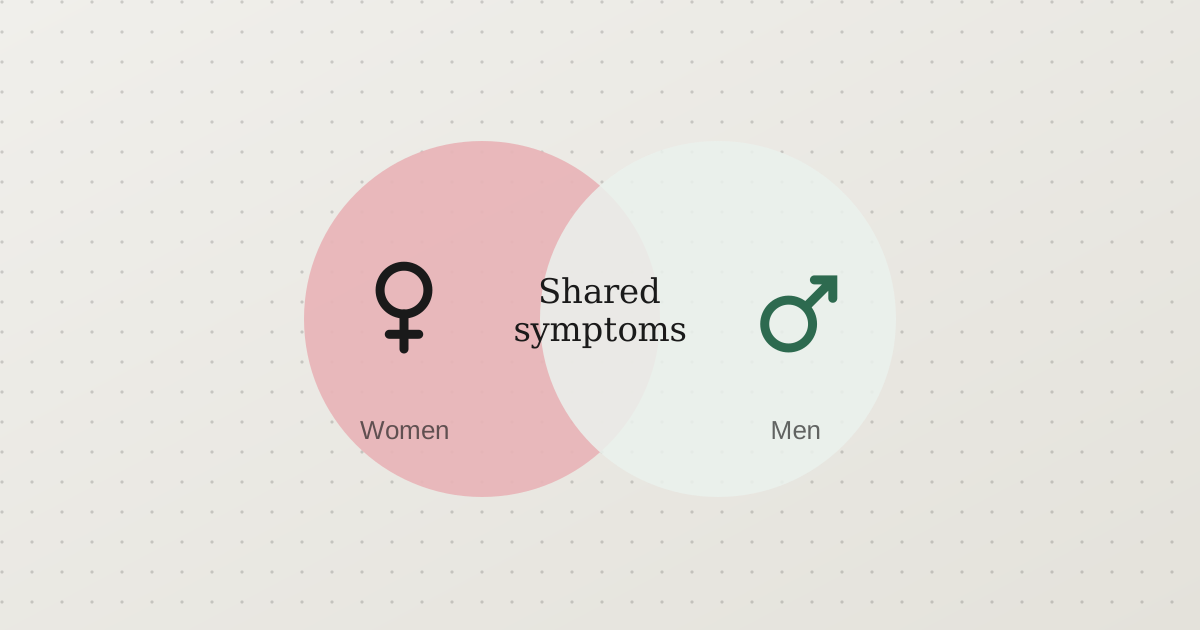
High Blood Sugar Symptoms in Women vs Men: Key Differences
Thirst, fatigue and blurred vision look the same in everyone. What differs is the sex-specific signs around them — and how long each group typically waits before anyone runs a test.
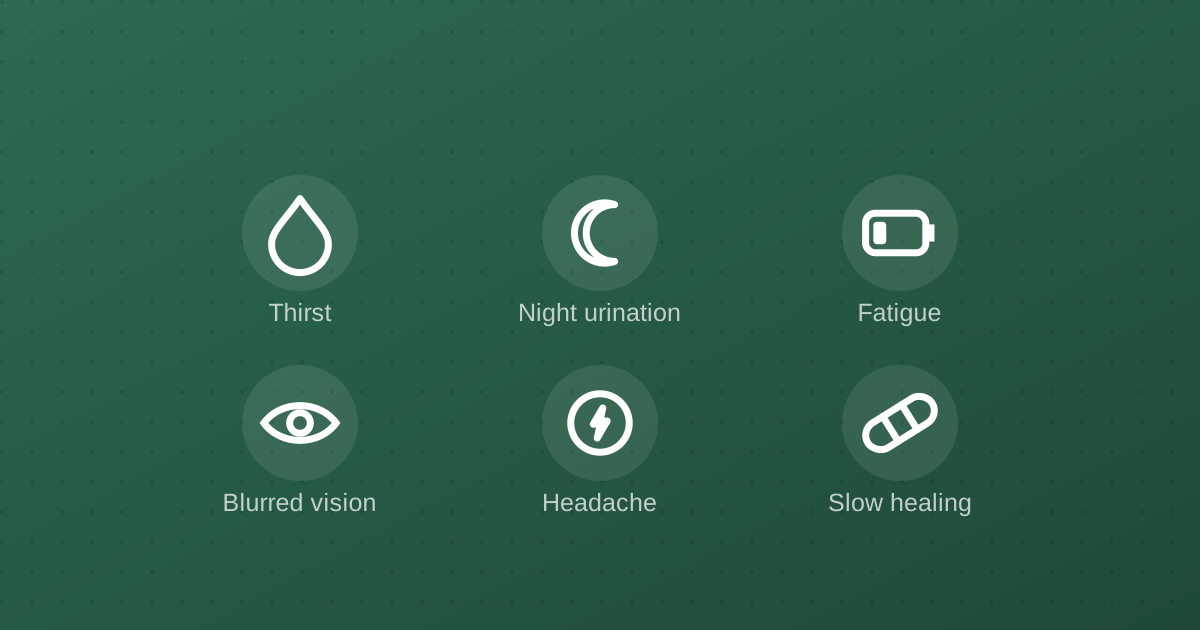
High Blood Sugar Symptoms: 12 Warning Signs You Shouldn't Ignore
Hyperglycemia rarely announces itself. It shows up as thirst you keep topping up, an afternoon that flattens you, and vision that blurs for a week. Here are the 12 signs worth knowing.
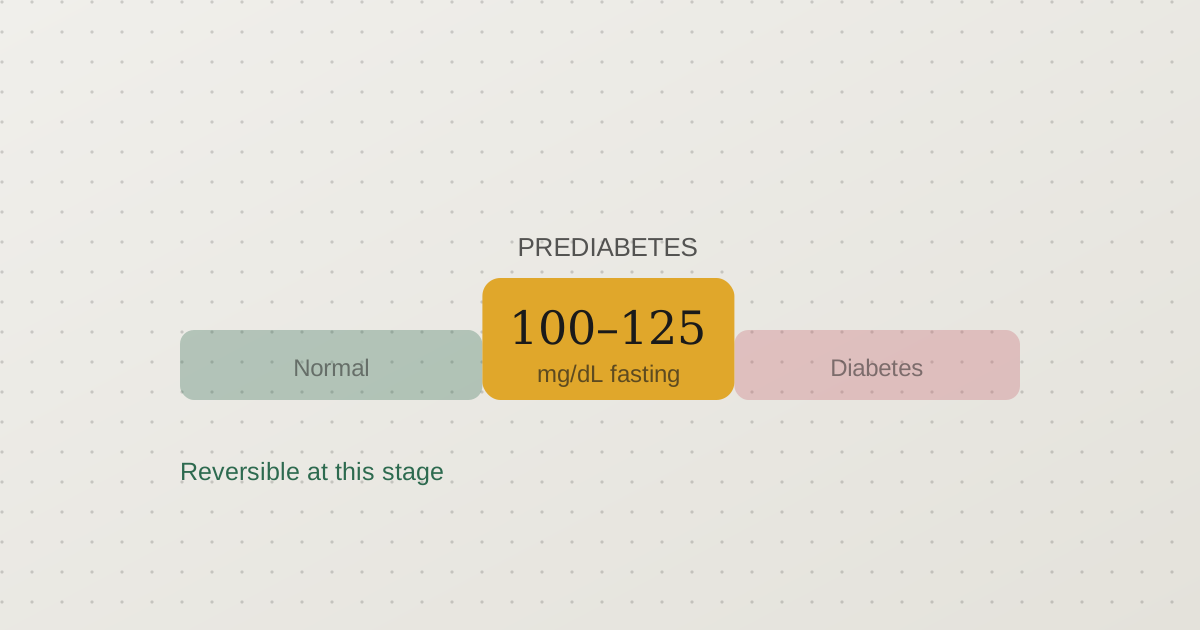
Prediabetes Symptoms: The Signs Most People Never Notice
The honest headline is that prediabetes usually causes nothing. Roughly 1 in 3 US adults has it and around 8 in 10 of them do not know. Here is what does show up, and who should be tested regardless.