
Featured
Evidence-basedClinician-reviewed
Understand your high blood sugar symptoms
Evidence-based guides on blood sugar symptoms, levels, and management — plus a free app to track it all.
- Guides published
- 5
- Advertising
- 0
- Cost
- Free
In-depth guides
Ads, popups or paywalls
Every guide and tool

Start here
Four questions people ask before anything else
Each guide is written to answer one question properly rather than skim five. Start with whichever sounds like your week.
Symptoms8 min read
High Blood Sugar Symptoms: 12 Warning Signs You Shouldn't Ignore
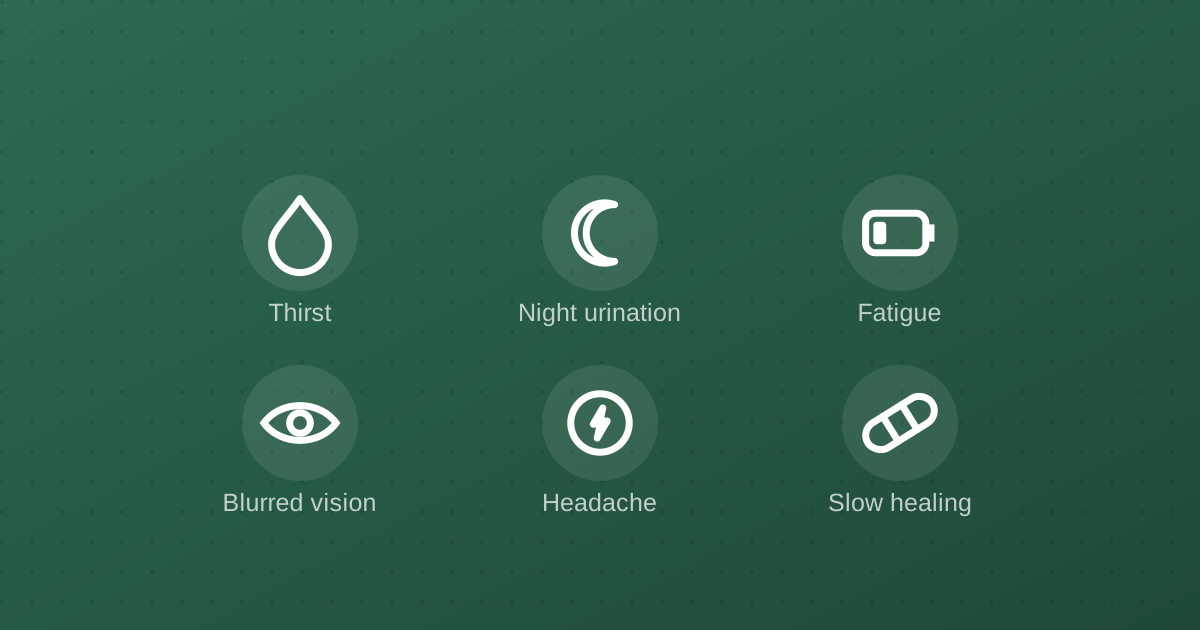
Hyperglycemia rarely announces itself. It shows up as thirst you keep topping up, an afternoon that flattens you, and vision that blurs for a week. Here are the 12 signs worth knowing.
Levels6 min read
Normal Blood Sugar Levels Chart: Fasting, After Eating & A1c
One number rarely means much on its own. Here is what normal looks like fasting, two hours after eating and on an A1c test — and where the thresholds for prediabetes and diabetes actually sit.
Management7 min read
How to Lower Blood Sugar Quickly: 8 Evidence-Based Methods
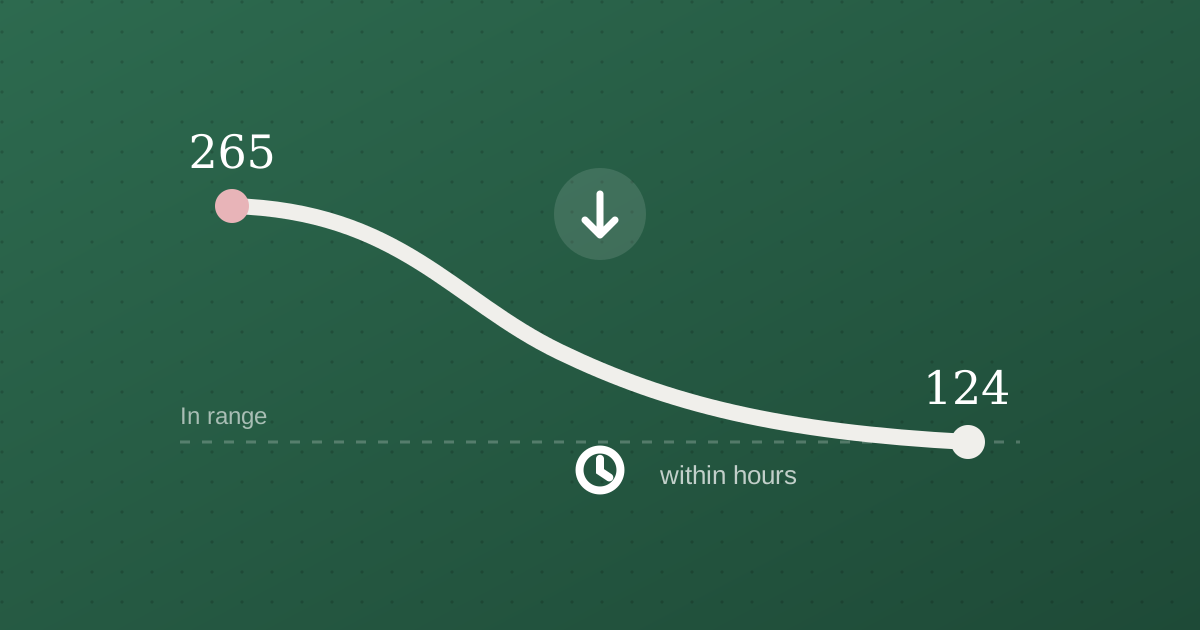
Some things move glucose within the hour. Others take months but change the baseline. Here's what the evidence supports for each, and the point where self-management stops and medical help starts.
Causes7 min read
What Causes High Blood Sugar? 10 Common Triggers Explained
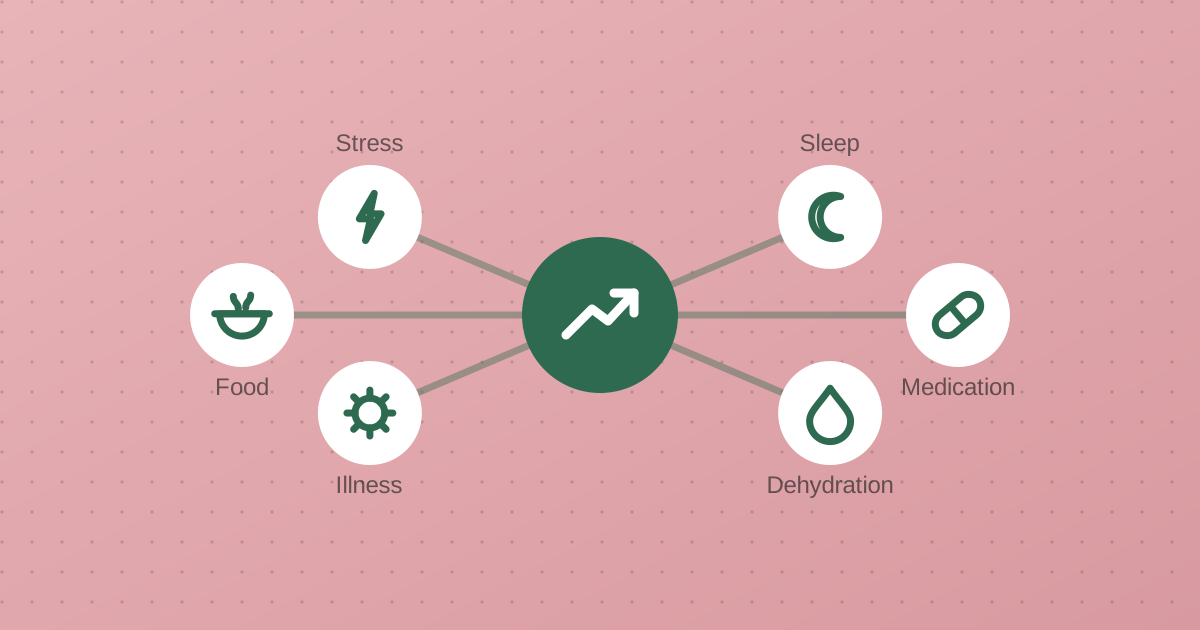
Food is the obvious answer and often the wrong one. Stress, a short night, a chest infection, a steroid injection and your own liver at 4am all raise glucose too.
Free companion app
Track your blood sugar without the spreadsheet
Free Blood Sugar Monitor turns scattered finger-stick readings into a trend you can actually read — and a summary your clinician can use.
- Log a reading in about five seconds — fasting, post-meal or bedtime.
- See your 7-, 30- and 90-day averages and estimated A1c at a glance.
- Tag meals, exercise, stress and sleep to find what moves your numbers.
- Export a clean PDF summary to bring to your next appointment.
Download on theApp Store
4.8★ average · 2,400+ ratings · iPhone & iPad
9:41
Latest reading
118mg/dL
In range · 2 hrs ago
This week
- Fasting · 7:10 am96
- After lunch · 2:05 pm138
- Before bed · 10:40 pm171
Latest
Recently published and updated
Every guide carries a last-reviewed date. If it is stale, we either update it or take it down.
Symptoms8 min read
High Blood Sugar Symptoms: 12 Warning Signs You Shouldn't Ignore
Hyperglycemia rarely announces itself. It shows up as thirst you keep topping up, an afternoon that flattens you, and vision that blurs for a week. Here are the 12 signs worth knowing.
Levels6 min read
Normal Blood Sugar Levels Chart: Fasting, After Eating & A1c
One number rarely means much on its own. Here is what normal looks like fasting, two hours after eating and on an A1c test — and where the thresholds for prediabetes and diabetes actually sit.
Management7 min read
How to Lower Blood Sugar Quickly: 8 Evidence-Based Methods
Some things move glucose within the hour. Others take months but change the baseline. Here's what the evidence supports for each, and the point where self-management stops and medical help starts.
Causes7 min read
What Causes High Blood Sugar? 10 Common Triggers Explained
Food is the obvious answer and often the wrong one. Stress, a short night, a chest infection, a steroid injection and your own liver at 4am all raise glucose too.
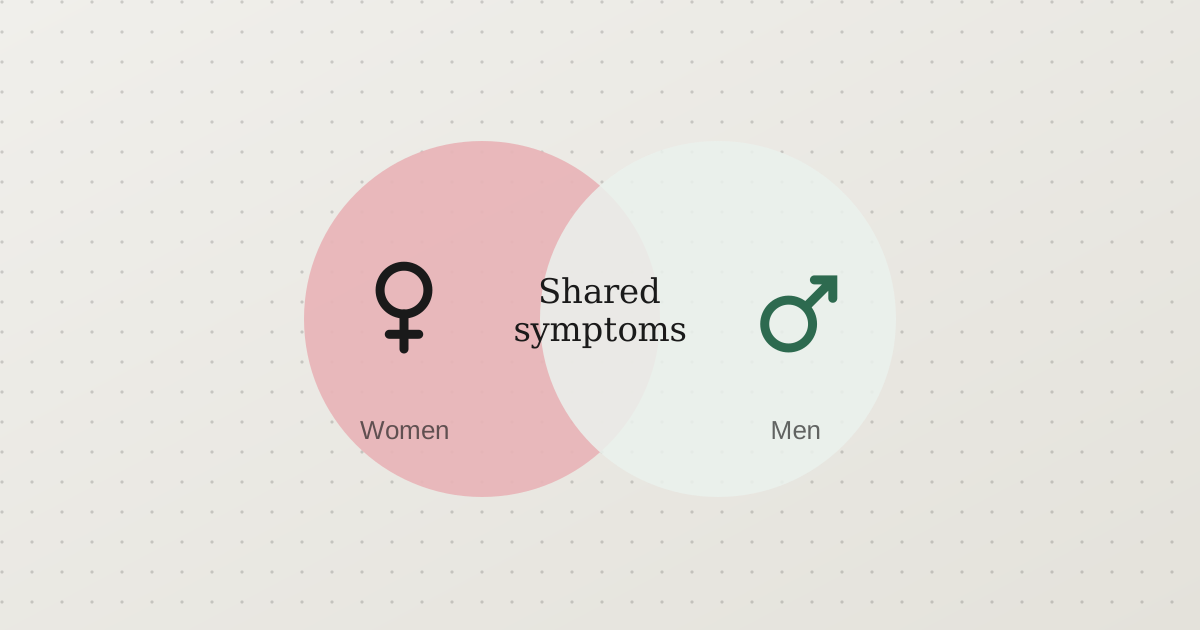
Symptoms6 min read
High Blood Sugar Symptoms in Women vs Men: Key Differences
Thirst, fatigue and blurred vision look the same in everyone. What differs is the sex-specific signs around them — and how long each group typically waits before anyone runs a test.
Quick reference
Blood sugar levels, without the guesswork
Normal, prediabetes and diabetes ranges for fasting, post-meal, A1c and random tests — switch between mg/dL and mmol/L, and see the thresholds that actually matter.
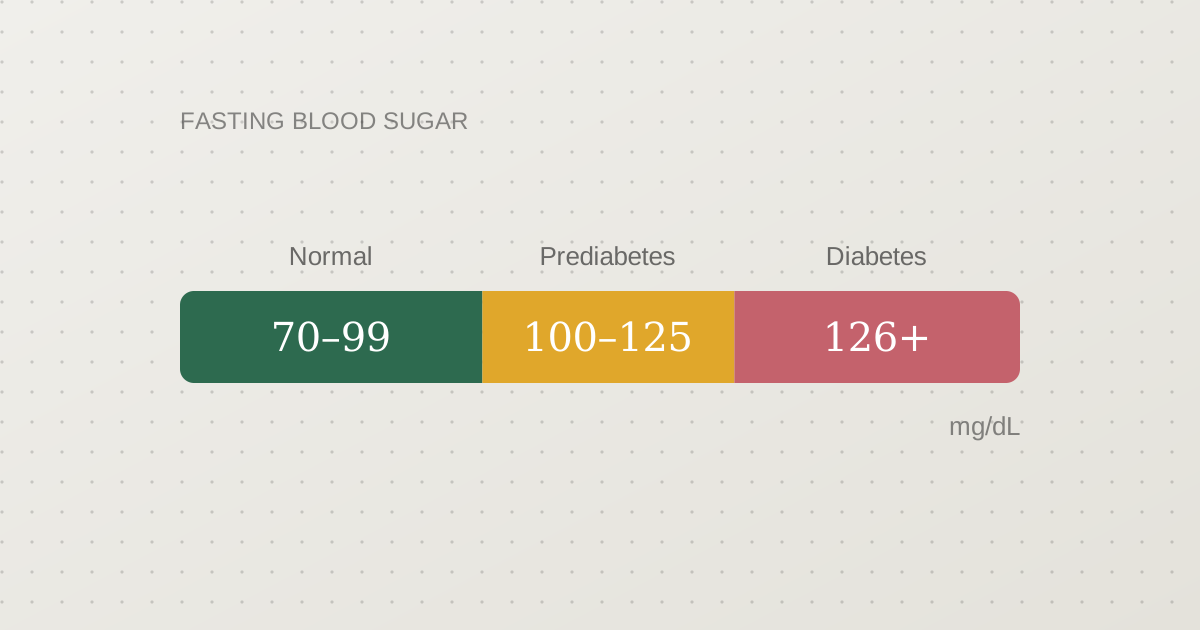
Fasting blood sugar
Measured after at least 8 hours without food or drink other than water — usually first thing in the morning.
Normal
A typical healthy fasting range.
70–99 mg/dL3.9–5.5 mmol/L
Prediabetes (impaired fasting glucose)
Higher than normal, not yet diabetes. Often reversible.
100–125 mg/dL5.6–6.9 mmol/L
Diabetes range
Needs a repeat test on a separate day to confirm.
126 mg/dL or above7.0 mmol/L or above
Ranges follow standard diagnostic criteria for non-pregnant adults. Your own targets may differ — pregnancy, age, kidney disease and certain medications all change the picture. Always confirm your targets with your healthcare provider.
Blood sugar 2 hours after eating
Measured two hours after the first bite of a meal, or two hours into a glucose tolerance test.
Normal
Most people peak under 140 even after a large meal.
Below 140 mg/dLBelow 7.8 mmol/L
Prediabetes (impaired glucose tolerance)
Post-meal numbers often rise before fasting ones do.
140–199 mg/dL7.8–11.0 mmol/L
Diabetes range
A repeat abnormal result confirms the diagnosis.
200 mg/dL or above11.1 mmol/L or above
Ranges follow standard diagnostic criteria for non-pregnant adults. Your own targets may differ — pregnancy, age, kidney disease and certain medications all change the picture. Always confirm your targets with your healthcare provider.
A1c (HbA1c)
A blood test that reflects your average blood sugar over roughly the previous two to three months.
Normal
Average glucose roughly below 117 mg/dL.
Below 5.7%(Below 39 mmol/mol)
Prediabetes
Roughly 117–137 mg/dL average glucose.
5.7–6.4%(39–46 mmol/mol)
Diabetes range
Roughly 140 mg/dL average glucose or higher.
6.5% or above(48 mmol/mol or above)
Ranges follow standard diagnostic criteria for non-pregnant adults. Your own targets may differ — pregnancy, age, kidney disease and certain medications all change the picture. Always confirm your targets with your healthcare provider.
Topics
Browse by what you need
- Symptoms
What high blood sugar actually feels like, early and late.
- Levels
Fasting, post-meal and A1c numbers, and what they mean.
- Management
Practical, evidence-based ways to bring readings down.
- Causes
Why your numbers climb — food, stress, sleep, illness, hormones.
- Emergencies
Warning signs that need urgent care, not a wait-and-see.