How to Lower Blood Sugar Quickly: 8 Evidence-Based Methods
Some things move glucose within the hour. Others take months but change the baseline. Here's what the evidence supports for each, and the point where self-management stops and medical help starts.
Written by our editorial team and checked against the clinical guidance listed below. Not yet reviewed by a named clinician.
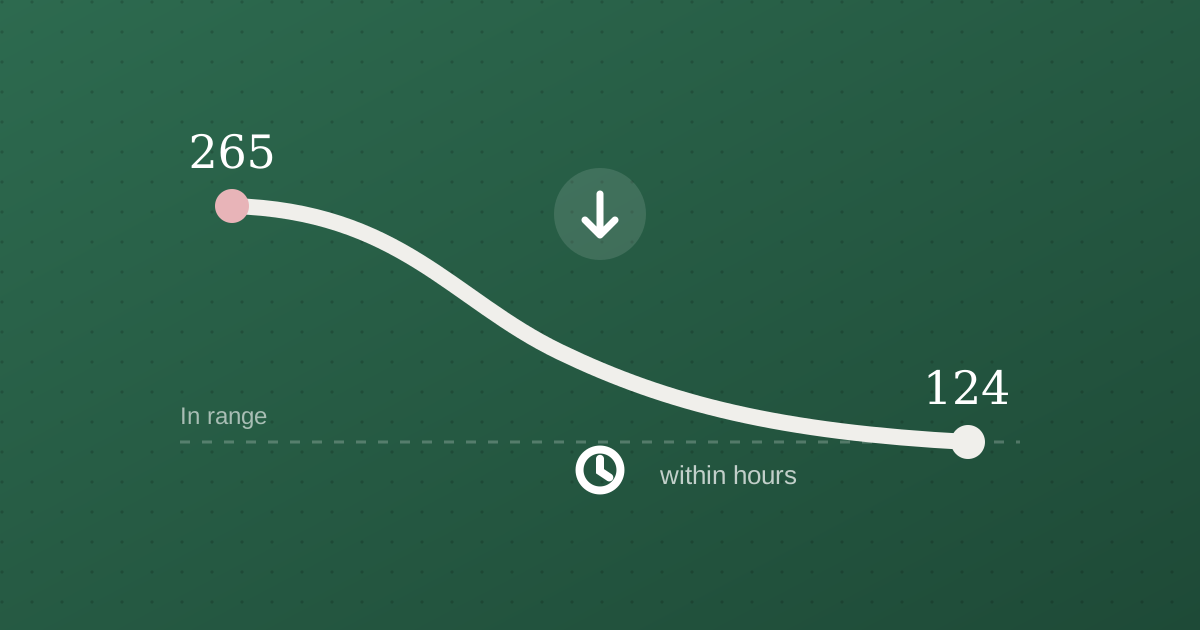
"Quickly" means two different things depending on why you are asking. If you are looking at a reading of 260 mg/dL right now, you want something that works in the next hour. If you are looking at three months of numbers drifting upward, you want something that changes the baseline. Both are legitimate, and they call for different tools — so this guide separates them.
One caveat that belongs at the top rather than the bottom: if you take insulin or a sulfonylurea, everything here interacts with your medication. Adding a long walk to an active insulin dose can produce hypoglycemia hours later. Do not make changes to a treatment plan without your prescriber.
First: is this a high reading or an emergency?
A high reading becomes an emergency when it comes with ketones, vomiting, deep or rapid breathing, fruity-smelling breath, abdominal pain or confusion. In that situation none of the methods in this article are the right response — get medical help instead.
Stop and seek urgent care if you have a reading above 240 mg/dL (13.3 mmol/L) with moderate or large ketones, vomiting you cannot control, deep or rapid breathing, fruity-smelling breath, abdominal pain, confusion or drowsiness. These point to diabetic ketoacidosis, and exercise in particular will make it worse rather than better — without enough insulin, working muscles cannot use glucose and the body produces more ketones.
Everything below assumes a high reading in someone who is otherwise well.
Methods that work within hours
Three things lower blood sugar on a timescale of minutes to hours: a prescribed correction dose of rapid-acting insulin, 15–30 minutes of light-to-moderate movement, and rehydration. A fourth — simply waiting and re-testing — is left off most lists and prevents more trouble than the other three combined.
1. Move your body — the single most reliable short-term lever
Muscle contraction pulls glucose out of the bloodstream through a pathway (GLUT4 translocation) that does not require insulin. That is why movement works even when insulin resistance is high.
What the evidence supports:
- Walk for 15–30 minutes at a conversational pace. Most people see a measurable drop within 30 to 60 minutes.
- Time it after meals. Post-meal walking blunts the peak far more effectively than the same walk taken first thing.
- Short and frequent beats long and rare for interrupting sitting. Studies breaking up prolonged sitting with two to five minutes of light walking every 20 to 30 minutes show substantially flatter glucose curves across a day.
- Include resistance work over the longer term. Muscle is the body's largest glucose sink; more of it means more storage capacity.
The exception, again: check ketones first if you are above 240 mg/dL and use insulin.
2. Drink water and rehydrate
High glucose drives fluid loss through urine, and dehydration concentrates what remains in the blood. Rehydrating helps the kidneys excrete the excess. The effect is real but modest — expect a helpful nudge, not a correction. Plain water is the right choice; anything with sugar obviously defeats the purpose, and heavy caffeine can nudge glucose up in some people.
3. Take a correction dose — only if you have been prescribed one
For people using rapid-acting insulin, a correction dose is the fastest and most predictable route down. It is also the one with the greatest capacity to cause harm through stacking — giving a second dose before the first has finished working, and ending up hypoglycemic hours later.
Rapid-acting insulin typically starts working in 10 to 20 minutes, peaks around 1 to 2 hours, and lasts 3 to 5 hours. Follow the correction factor your clinician gave you, wait the full interval before re-dosing, and retest rather than guessing.
4. Wait, and do not over-correct
Doing nothing is often the correct response to a single high reading, and it gets left out of most lists. A post-meal reading of 190 mg/dL (10.6 mmol/L) two hours after a large dinner is doing roughly what a post-meal reading should do — coming down on its own. The instinct to intervene twice, once with insulin and again with exercise, is how people end up on the glucose rollercoaster: a spike, an over-correction, a hypo, a rebound treatment, another spike.
Retest before acting again. Trend beats snapshot.
Methods that change your baseline
The changes that move an A1c are meal composition and order, added fiber, protected sleep, deliberate stress management and modest weight loss. None of them will rescue this afternoon's reading; all of them lower where your numbers sit over the following weeks and months.
5. Change the shape of your meals, not just their size
The most robust findings in nutrition and glucose control are about composition and order rather than calorie counting.
Meal sequencing. Eating vegetables and protein before the carbohydrate portion of a meal produces a markedly lower post-meal peak than eating the same food in the reverse order. It is free, requires no willpower and works from the first meal you try it.
Fibre, especially soluble fiber. Oats, barley, beans, lentils, apples and psyllium slow gastric emptying and flatten the curve. Legumes are among the most reliably glucose-friendly staples available.
Protein and fat alongside carbohydrate. Nuts with fruit, yoghurt with berries, olive oil on bread — all blunt the rise.
Carbohydrate quality. Whole, intact grains behave very differently from flour ground from the same grain. Liquid sugar is the sharpest spike of all, because there is nothing to slow it down.
Foods to be careful with when readings are already high: sugar-sweetened drinks and fruit juice, white bread and refined-flour products, sweetened breakfast cereals, most packaged snacks, and large portions of any starch eaten alone. None of these are forbidden foods — but they are poor choices for the specific hour when your glucose is already elevated.
6. Protect your sleep
A single night of short or fragmented sleep measurably reduces insulin sensitivity the following day. Untreated obstructive sleep apnoea is strongly associated with poor glucose control and is badly underdiagnosed — if you snore heavily, wake unrefreshed and run high fasting numbers, that combination is worth raising with a doctor. Sleep is not a soft recommendation here; it is one of the more powerful modifiable variables.
7. Manage stress deliberately
Cortisol and adrenaline raise blood glucose by design — the point is to fuel a response to threat. When the stressor is a deadline rather than a predator, the glucose has nowhere to go. Chronic stress therefore produces chronically higher readings, and the effect is large enough to see on a CGM within minutes of a difficult phone call.
What has trial evidence behind it: mindfulness-based stress reduction, paced breathing, regular aerobic exercise, and protecting sleep. What does not: telling yourself to stop being stressed.
8. Lose a modest amount of weight, if it applies to you
The number worth knowing is 5 to 7%. In the Diabetes Prevention Program, that degree of weight loss combined with 150 minutes of weekly activity reduced progression from prediabetes to type 2 diabetes by 58% — considerably better than metformin in the same trial. For someone at 200 lb, 5 to 7% is 10 to 14 lb. Larger losses can push type 2 diabetes into remission for some people, particularly within the first few years of diagnosis.
Does cinnamon or apple cider vinegar lower blood sugar?
Apple cider vinegar has small trials behind a modest reduction in the post-meal peak; cinnamon has produced inconsistent results across trials, with meta-analyses split on whether the effect is meaningful. Neither belongs in the same category as movement, sleep, meal composition and prescribed medication. The detail on each:
Apple cider vinegar has small trials suggesting one to two tablespoons before a carbohydrate-heavy meal modestly reduces the post-meal peak, probably by slowing gastric emptying. The effect is real but small, the studies are small too, and neat vinegar is hard on tooth enamel and esophagus — dilute it.
Cinnamon has produced inconsistent results across trials, with meta-analyses split on whether the effect is meaningful. Cassia cinnamon in large daily doses also contains coumarin, which can affect the liver.
Chromium, berberine, bitter melon and fenugreek all have some supportive data of variable quality. Berberine in particular has drug-like effects and drug-like interactions, including with metformin and several statins.
None of these belong in the same category as movement, sleep, meal composition and prescribed medication. Treat them as marginal additions, tell your doctor what you are taking, and be skeptical of any supplement marketed as a replacement for treatment.
Putting it together
For a high reading right now: check for ketones if you are above 240 and use insulin, drink water, take a walk if it is safe to do so, take a correction dose only if one has been prescribed, then retest in an hour or two rather than stacking interventions.
For numbers that are consistently high: sequence your meals, add fiber, walk after eating, guard your sleep, address stress with something that actually works, and treat 5 to 7% weight loss as a target if it applies. Then look at the causes behind the pattern — because a reading that is high every morning has a different fix from one that is high every evening.
If your readings stay high despite all of this, that is not a personal failure; it is information. Type 2 diabetes is progressive, and needing medication added or adjusted is an expected part of its course, not evidence that you did something wrong. Bring your log to your next appointment and ask what the numbers suggest. Our levels chart is a useful reference to have open during that conversation.
Frequently asked questions
How can I lower my blood sugar immediately?
The two fastest levers are rapid-acting insulin, if it has been prescribed to you with a correction dose you have been taught to use, and 15-30 minutes of light-to-moderate movement such as brisk walking. Drinking water helps with dehydration but lowers glucose only modestly. If you are above 240 mg/dL with ketones, do not exercise — contact your care team.
Does drinking water lower blood sugar?
Modestly and indirectly. Rehydrating dilutes the blood and helps the kidneys clear excess glucose in urine, so readings often drift down. It does not correct the underlying insulin shortfall, so it is a supporting measure rather than a treatment.
What foods lower blood sugar the fastest?
No food lowers blood sugar on the timescale that people usually mean. What food can do is blunt the next rise: protein, non-starchy vegetables, legumes and healthy fats produce a much smaller glucose response than refined carbohydrates, and eating vegetables and protein before the carbohydrate portion of a meal reliably reduces the post-meal peak.
How long does it take for blood sugar to come down after eating?
In someone without diabetes, glucose peaks about 60-90 minutes after the first bite and is back near baseline within two to three hours. With insulin resistance or diabetes, the peak is higher and the return can take four hours or more.
Can walking after a meal really lower blood sugar?
Yes, and the evidence is unusually consistent. Contracting muscle takes up glucose without needing insulin. Trials of short post-meal walks — even two to five minutes every half hour — show meaningfully lower post-meal peaks compared with sitting.
Sources
Diagnostic thresholds, target ranges and treatment guidance in this article are drawn from the following:
- Standards of Care in Diabetes — American Diabetes Association
- Diabetes Prevention Program (DPP) — National Institute of Diabetes and Digestive and Kidney Diseases
- Get Active — Centers for Disease Control and Prevention
- High blood sugar (hyperglycaemia) — NHS
Keep reading
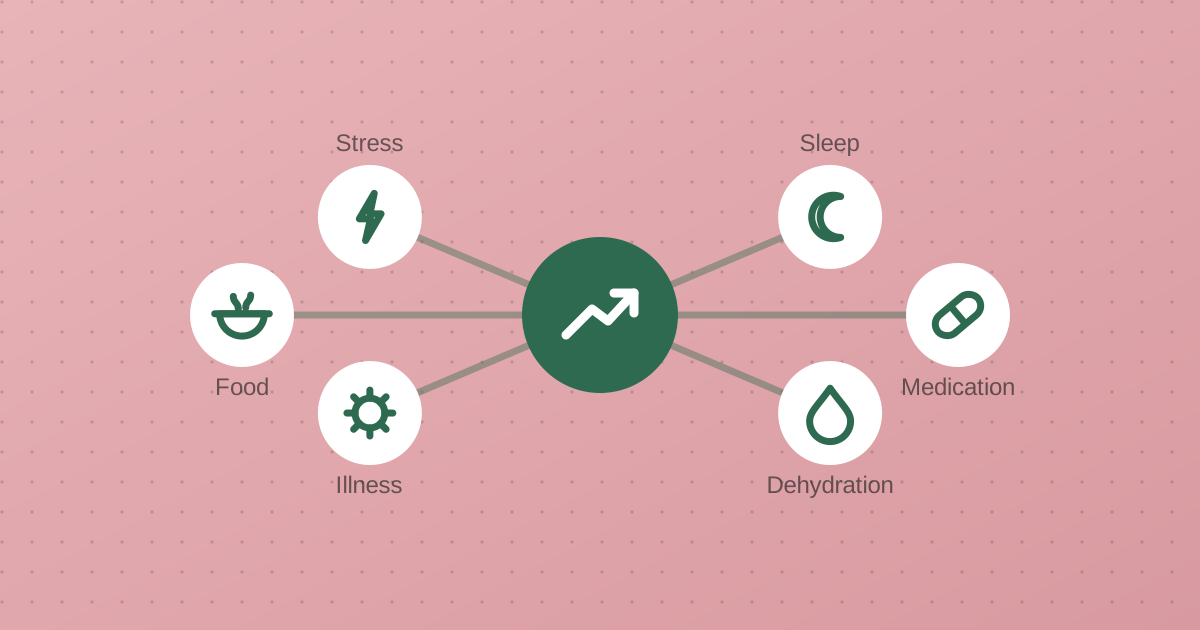
What Causes High Blood Sugar? 10 Common Triggers Explained
Food is the obvious answer and often the wrong one. Stress, a short night, a chest infection, a steroid injection and your own liver at 4am all raise glucose too.
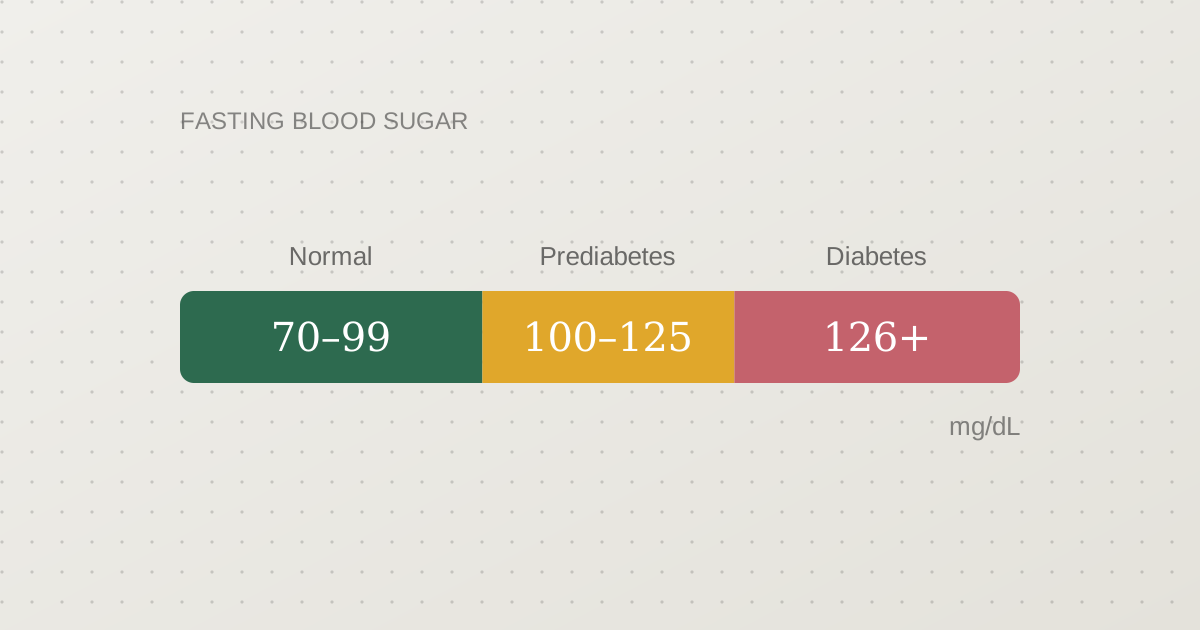
Normal Blood Sugar Levels Chart: Fasting, After Eating & A1c
One number rarely means much on its own. Here is what normal looks like fasting, two hours after eating and on an A1c test — and where the thresholds for prediabetes and diabetes actually sit.
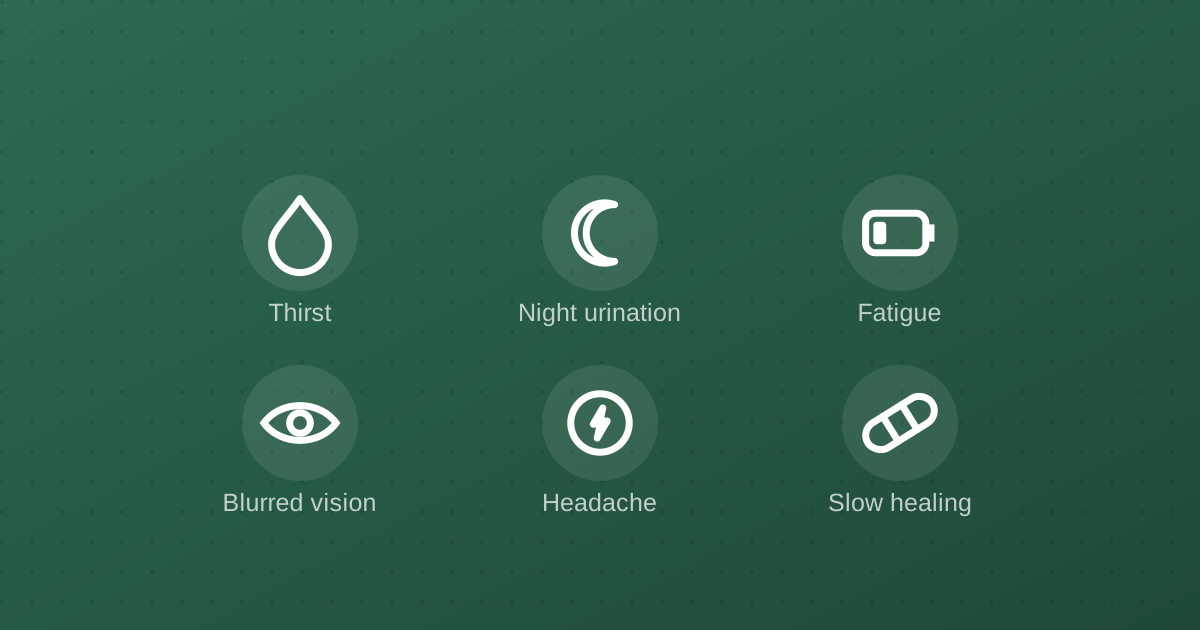
High Blood Sugar Symptoms: 12 Warning Signs You Shouldn't Ignore
Hyperglycemia rarely announces itself. It shows up as thirst you keep topping up, an afternoon that flattens you, and vision that blurs for a week. Here are the 12 signs worth knowing.