13 in-depth guides on symptoms, levels, causes and management. Each one is written to answer a single question properly, and reviewed against current clinical guidance.
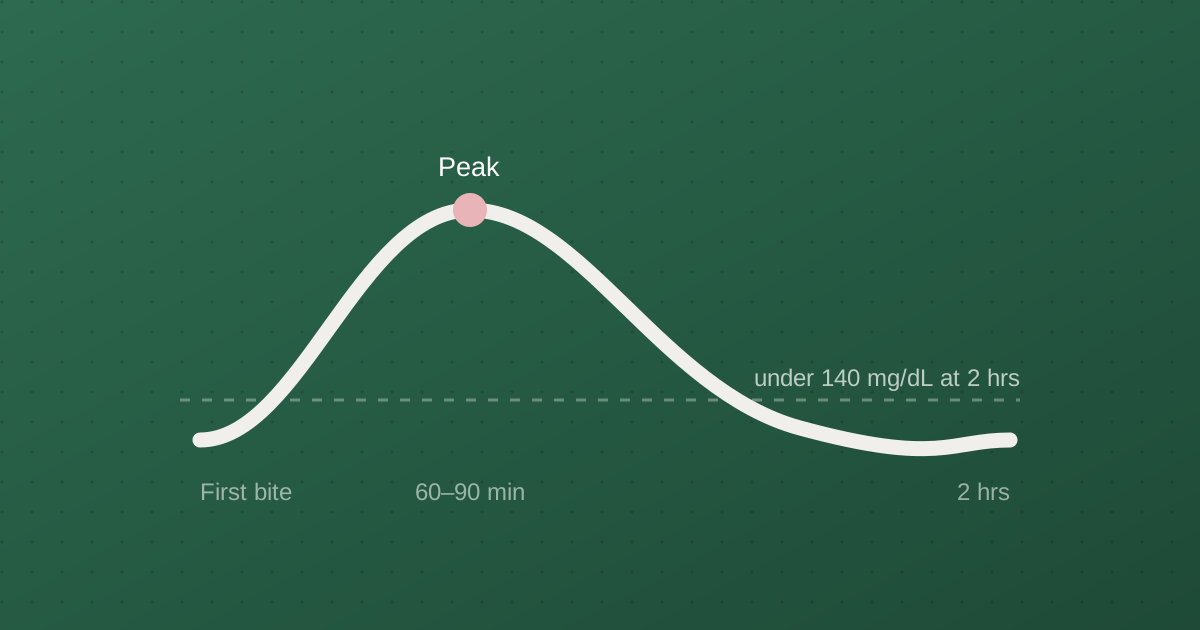
Glucose peaks 60 to 90 minutes after the first bite and should be under 140 mg/dL by two hours. Post-meal numbers go wrong before fasting ones do, which is why a normal fasting test can miss the problem entirely.
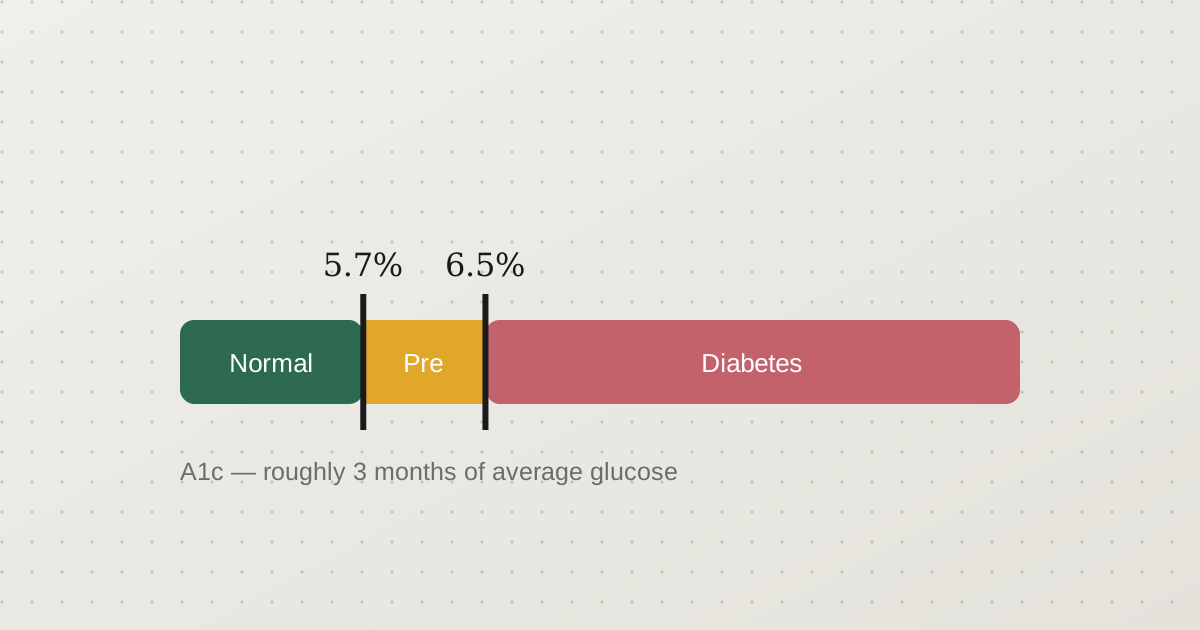
Below 5.7% is normal, 6.5% is the diabetes threshold, and under 7% is the usual target once you have a diagnosis. Here is the full chart, and the four situations where A1c misleads.
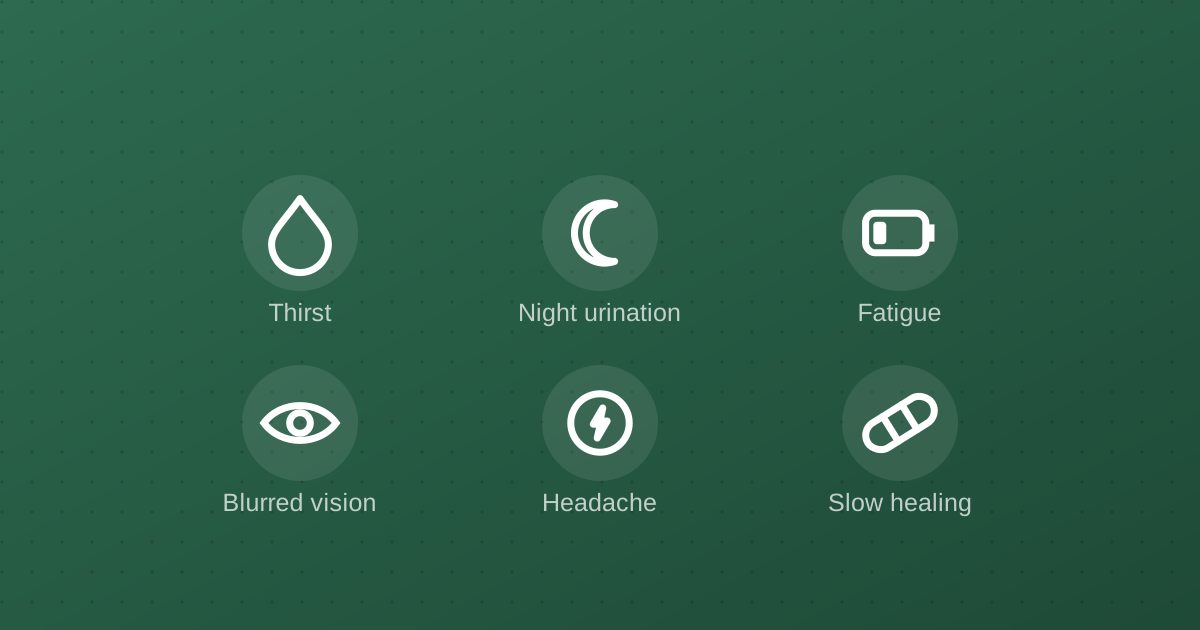
Hyperglycemia rarely announces itself. It shows up as thirst you keep topping up, an afternoon that flattens you, and vision that blurs for a week. Here are the 12 signs worth knowing.
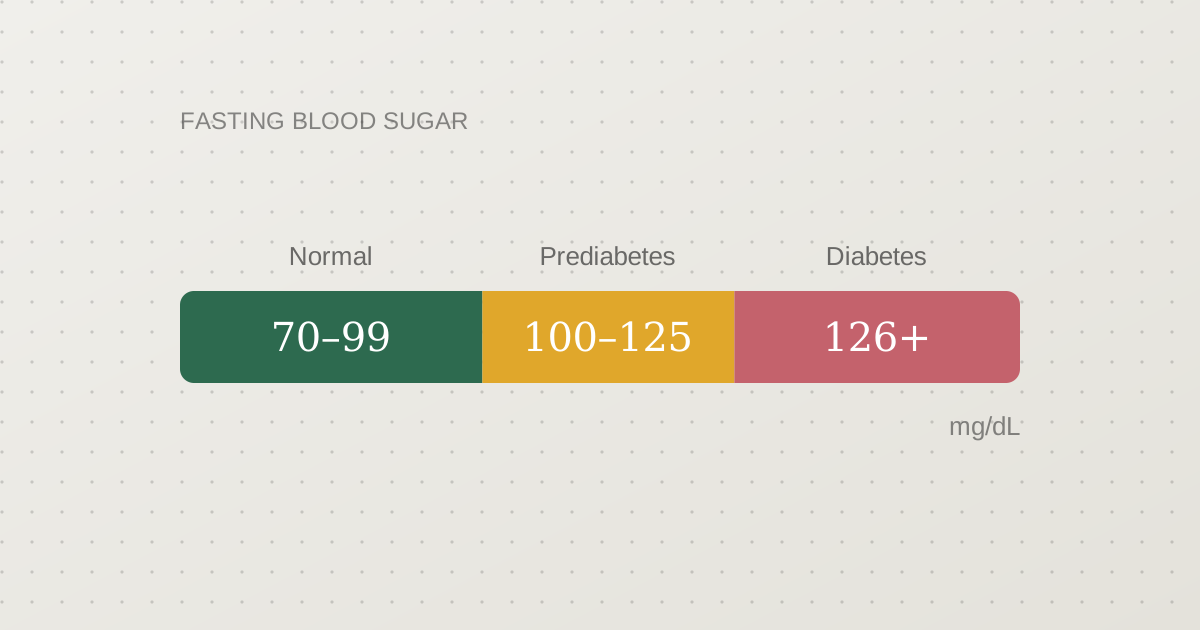
One number rarely means much on its own. Here is what normal looks like fasting, two hours after eating and on an A1c test — and where the thresholds for prediabetes and diabetes actually sit.
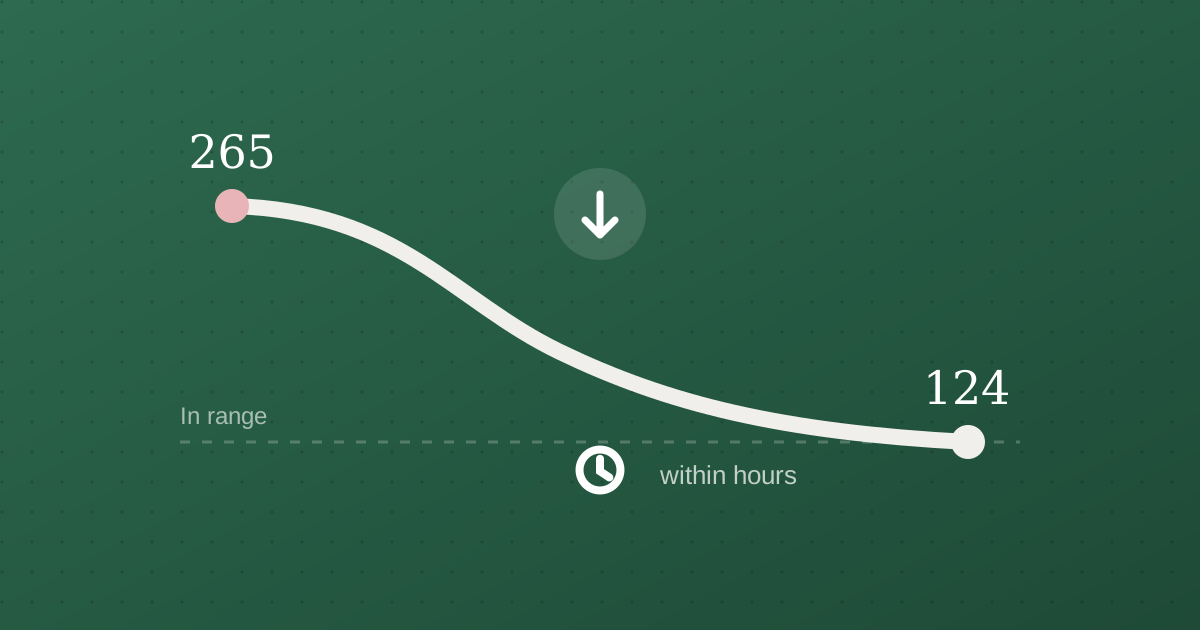
Some things move glucose within the hour. Others take months but change the baseline. Here's what the evidence supports for each, and the point where self-management stops and medical help starts.
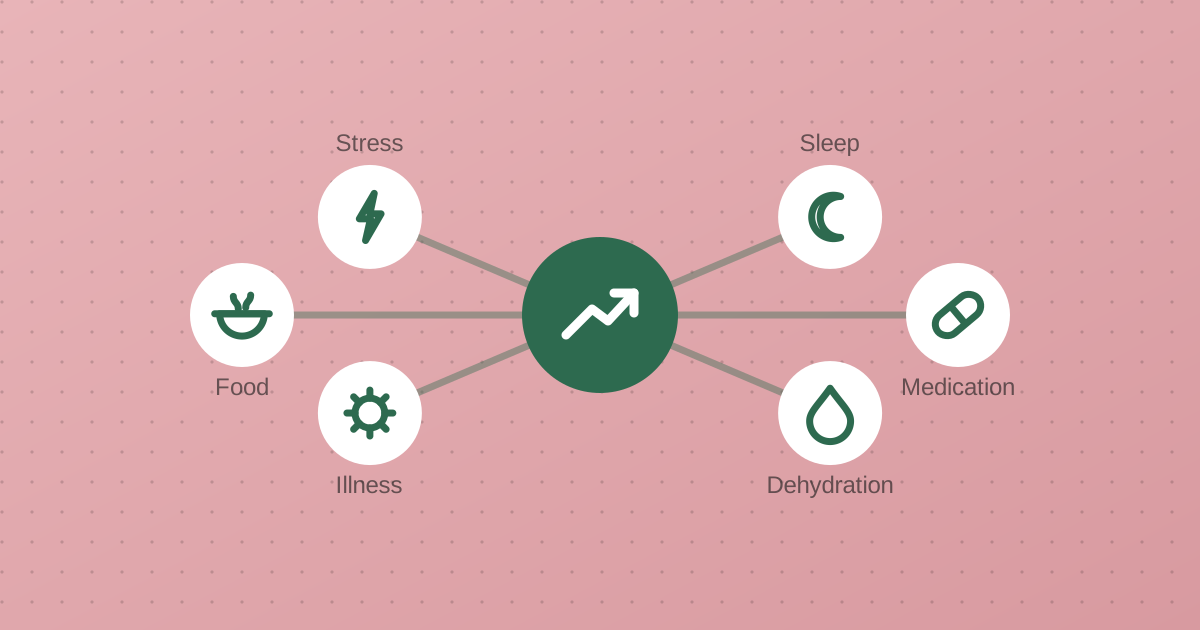
Food is the obvious answer and often the wrong one. Stress, a short night, a chest infection, a steroid injection and your own liver at 4am all raise glucose too.